What do silver-studded dresses, Karl Lagerfeld, and neural networks have in common? In the world of Norma Kamali, everything. The legendary designer, best known for dressing icons like Whitney Houston and reinventing the shoulder pad, is now turning to AI – not just to future-proof her brand, but to explore creativity in ways she never imagined.
Kamali, who has been in the fashion game for over 50 years, recently completed the “Applied Generative AI for Digital Transformation” course by MIT Professional Education. The goal? To explore how artificial intelligence could preserve her legacy and push her work into the next era – without losing its soul.
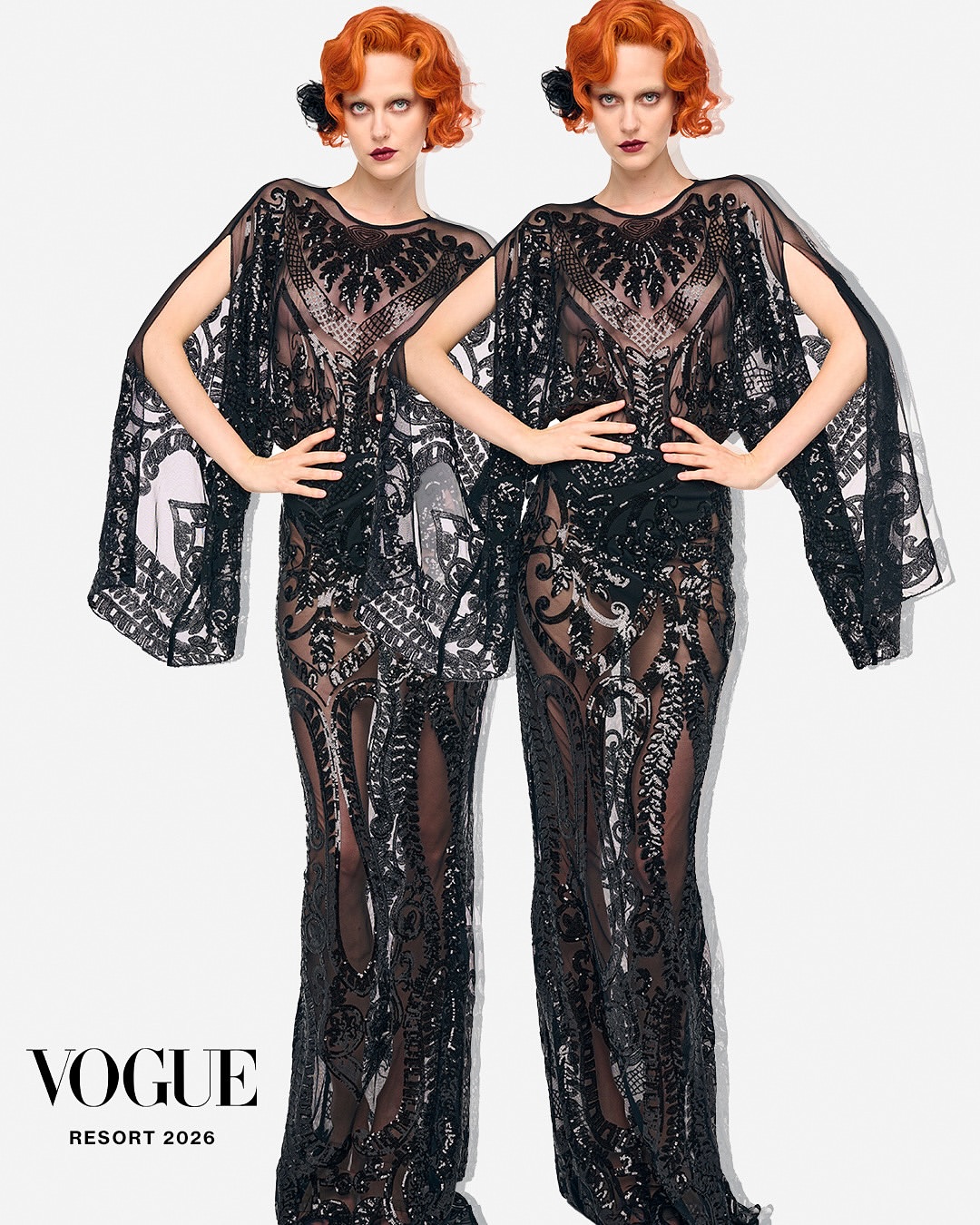
Image @normakamali
via Instagram
Her AI journey began in Abu Dhabi, when tech experts suggested she create an AI-powered fashion tool. She wasn’t into the idea of “downloading her brain,” but the concept of training a closed-loop AI model exclusively on her 57-year archive? That sparked something. “I thought, AI could be my Karl Lagerfeld,” Kamali said, referencing the late designer’s obsession with his own archives.
Through the help of creative AI studio Maison Meta, Kamali developed a proprietary model and began feeding it designs. Her prompt? A reinterpretation of her classic black pieces with silver studs. The results were thrillingly unpredictable. “It was magic,” she said. “Art, technology, and fashion colliding in ways I never imagined.” Even the model’s AI “hallucinations” – usually considered glitches – became sources of inspiration. “Some of the best editorial fashion is absurd,” she noted. “AI-generated anomalies created entirely new forms of art.”
MIT’s executive director Bhaskar Pant described Kamali’s work as a lesson in lifelong learning. “Professionals must be empowered to harness AI’s potential in ways that not only enhance their work, but redefine what’s possible,” he said. “Norma’s journey is a testament to the power of curiosity and ambition.”

Image @normakamali
via Instagram
Kamali is also exploring AI’s potential to solve fashion’s biggest issues: waste and overproduction. “Imagine a system where you design your wedding dress online, and a robot constructs it, one garment at a time,” she said. From sustainable fabric selection to on-demand manufacturing, she believes tech can clean up the industry – literally.
“AI doesn’t have a heartbeat,” Kamali said. “It can’t replace human passion. But it can enhance creativity in ways we’re only beginning to understand.”
And for those reluctant to engage with the tech? Kamali has a warning: “Imagine landing in a foreign country where you don’t speak the language. That’s what it’ll be like if you don’t learn AI. The train has left the station – it’s time to get on board.”

Leave a Comment