
Canva has become the place where most of us actually make things we use online: the carousel, the invite, the pitch deck at 11pm. Now it has built its own AI image model to match.
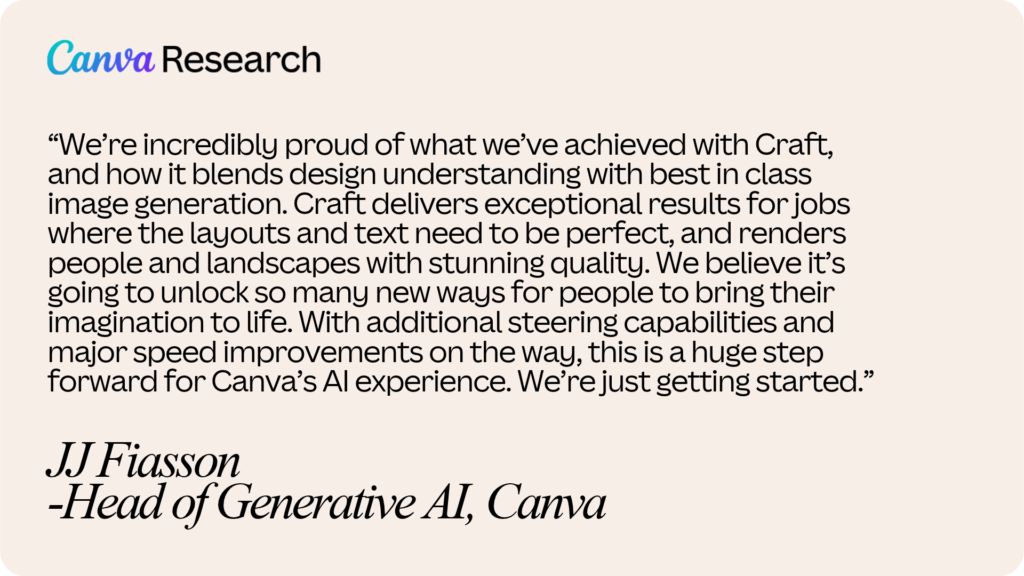
Canva Craft, unveiled on 22 October, debuted in the world’s top four on day one. It is the first image model built and trained from scratch by Canva Research, the in-house AI lab it announced a day earlier. It is live now for every Canva user, free tier included, and sits inside Dream Lab, the tab in the bottom-left panel that you have probably not noticed until now.
Why we care: Most content creators do not need to generate images in a chatbot, they would however possibly make them inside Canva, because that is where the post is. A model that is trained on actual design, understands aspect ratios and can spell is the difference between “AI image” and “finished post”.
What Canva Craft Actually Is
Craft is a text-to-image model, in the same family as OpenAI’s GPT Image and Google’s Nano Banana. Type a prompt, get a picture. The difference is what it was raised on. Canva says that while most image models are trained primarily on photographs, Craft’s training leans heavily on design: millions of human-made templates from Canva’s own library, including posters, social posts, presentations, infographics, menus and text-heavy layouts. The idea is that it learns how hierarchy, spacing and typography fit together, rather than just what a nice photo looks like.
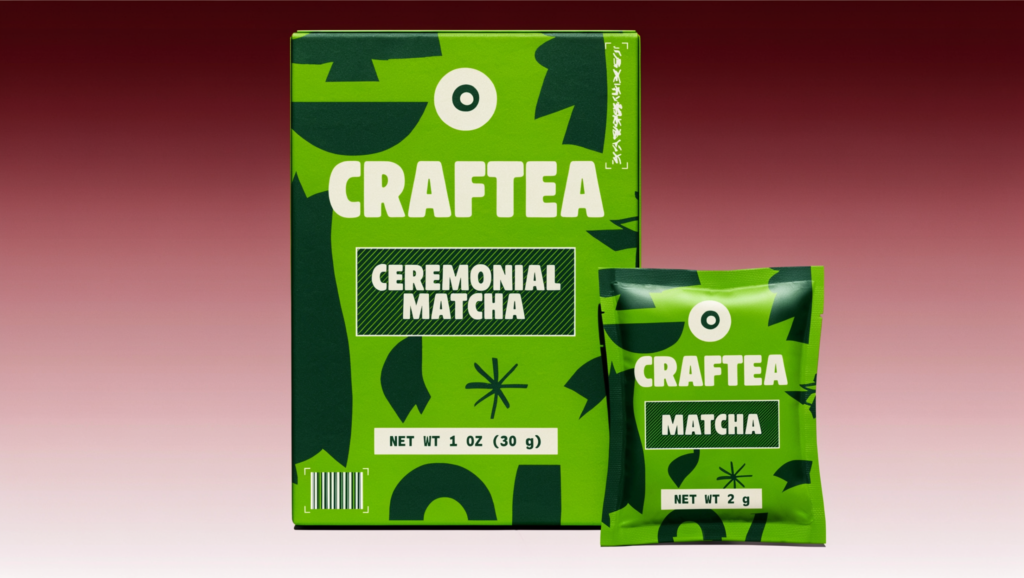
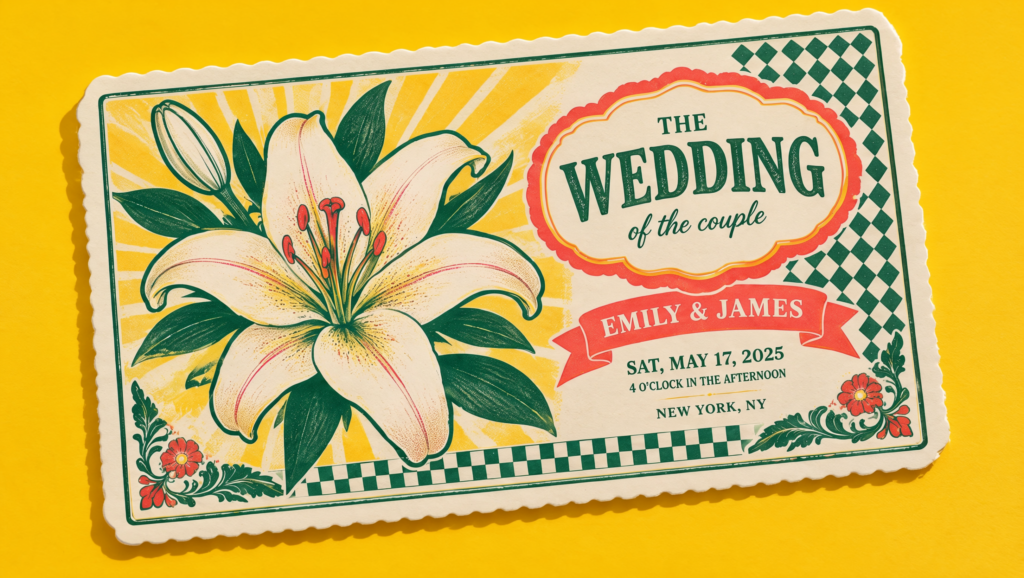
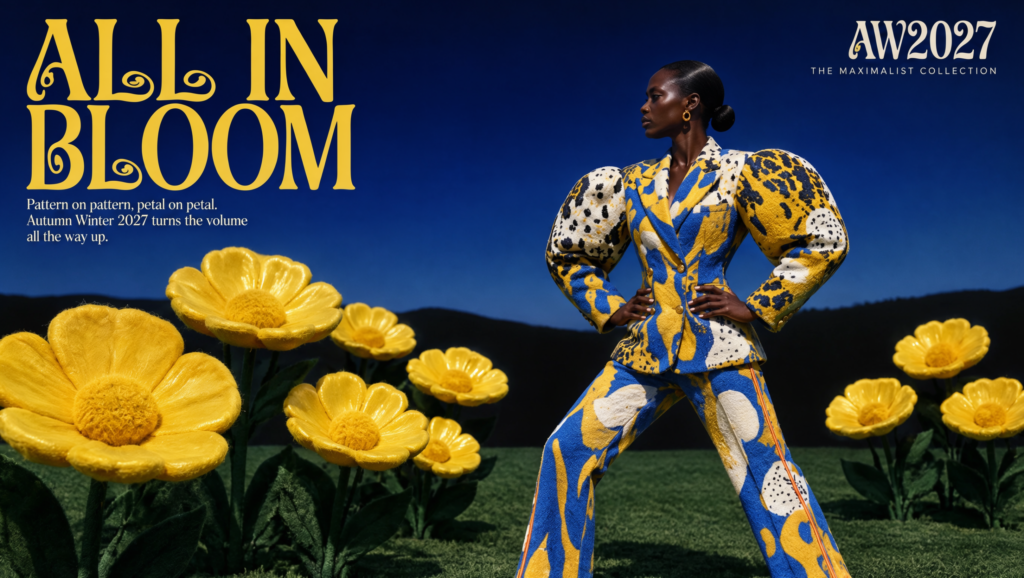
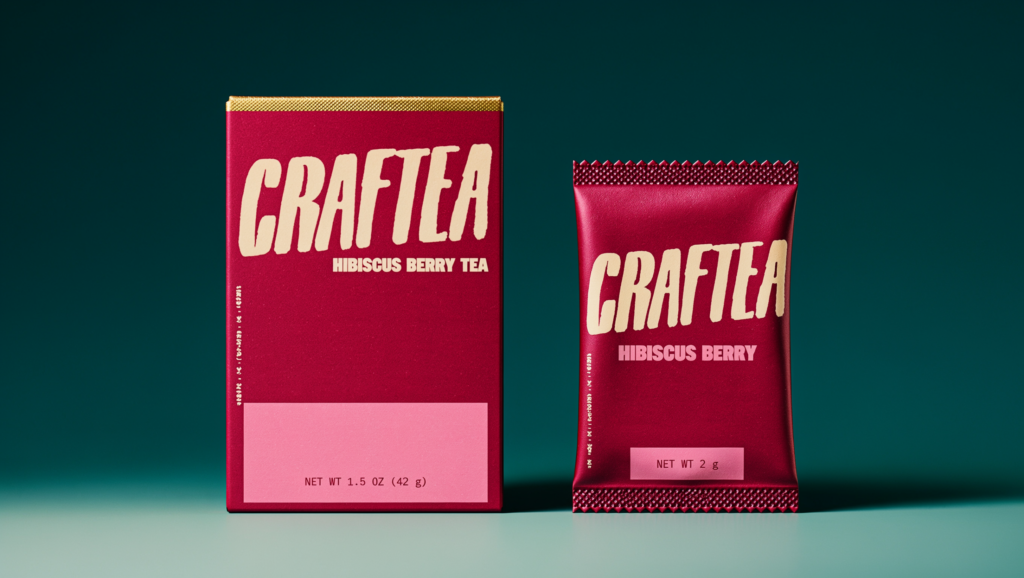
It generates at 2K resolution, offers more than 30 aspect ratios (or you can type in your own), accepts prompts in any language and can render text in 55 of them. Which, if you have ever asked an AI for a poster and received something that reads “SUMMMER SAEL”, is the headline feature.
Under the bonnet, it works in two stages. First, a planning model reads your prompt and writes out a composition: which elements appear, where they sit, how big they are, what the text says. Then a separate rendering model turns that plan into the image. Canva’s argument is that thinking about the layout before painting it is why the text lands where it should and why you can change one thing without the whole picture shifting.
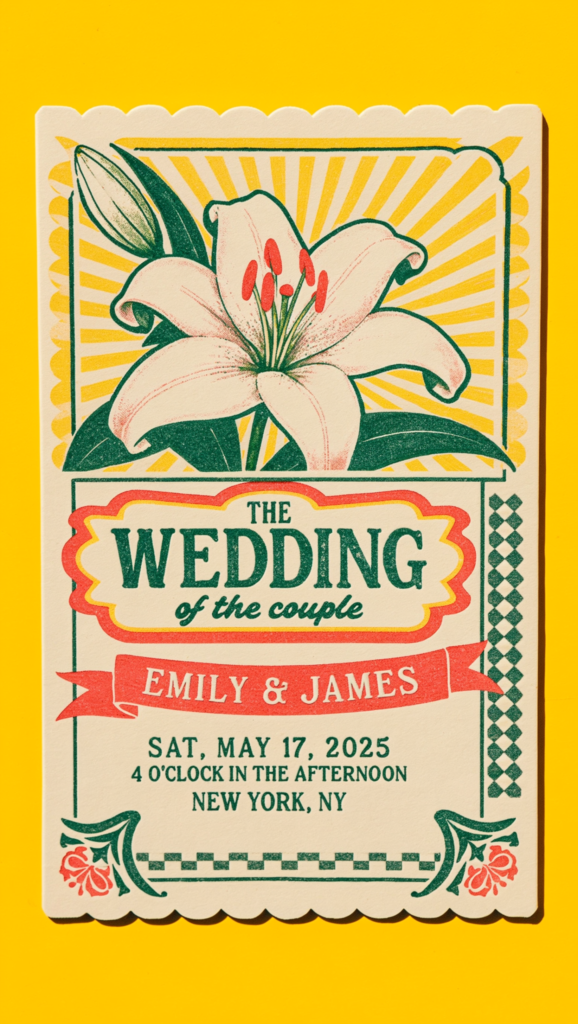
Conveniently, it also means Craft images play nicely with Magic Layers, the tool that turns a flat image into editable elements, so you can generate a poster and then actually move the headline.
The Leaderboard Bit
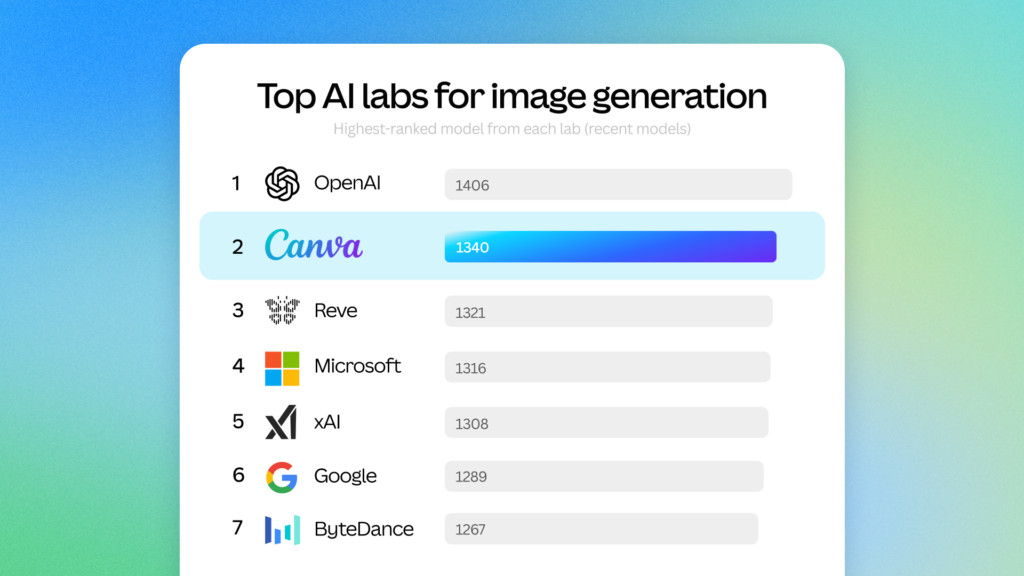
Canva is making a big claim here, and it is worth unpacking. On DesignArena, a crowdsourced leaderboard where people vote blind on AI-generated designs, Craft debuted as the fourth-best image model in the world. Canva says that makes Canva Research the second most advanced AI lab for image generation, behind only OpenAI, which holds the top three spots.
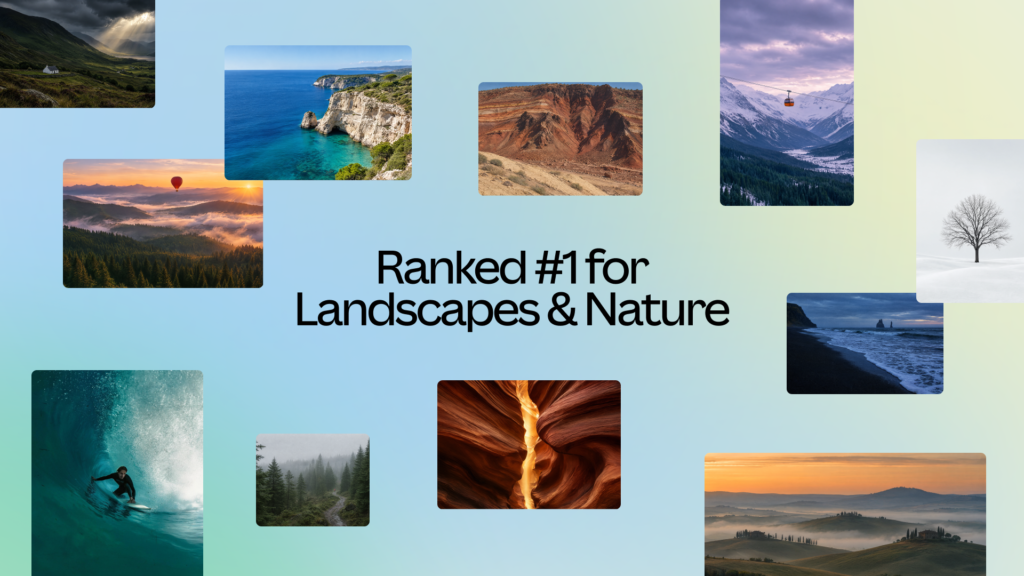
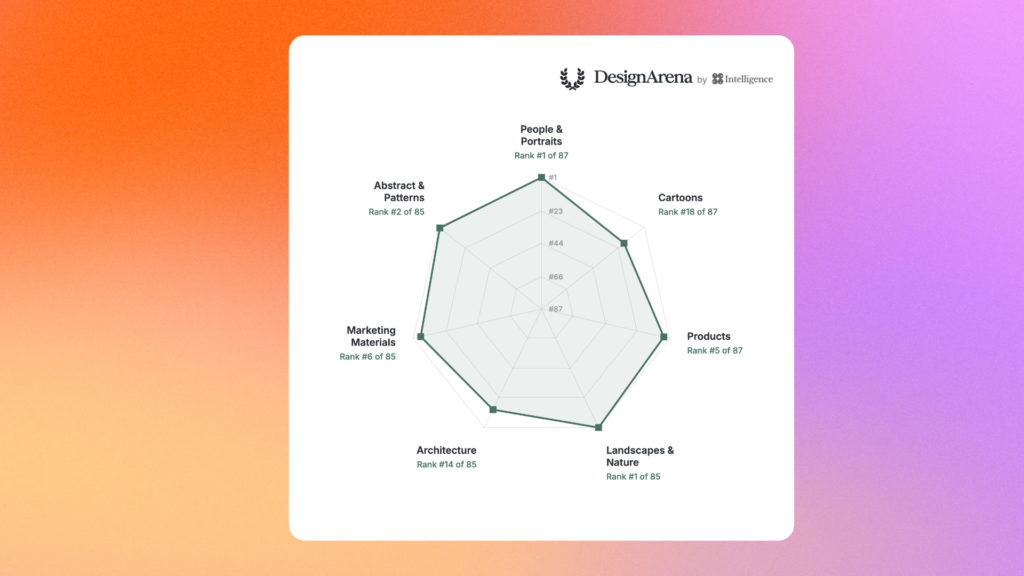
According to TechTimes, that puts Craft above Google’s Nano Banana 2.1 and Microsoft’s MAI-Image-2.6 on day one. Canva also says Craft ranks first globally for People & Portraits (out of 87 models) and Landscapes & Nature (out of 85), second for Abstract & Patterns and fourth for Products.

A pinch of salt: crowdsourced rankings move every time someone votes, vote counts are not public, and Canva itself calls the result preliminary. Nobody has published a proper independent head-to-head yet. “Second most advanced lab” is also a framing that counts companies rather than models. Still, for a first attempt from a company once known for drag-and-drop templates, fourth in the world is not nothing.
Built By Designers, Judged By Designers
The bit we found most interesting is how Canva tested it. After training, the company says it ran supervised fine-tuning and reinforcement learning using feedback from its own professional designers, who sat alongside dozens of researchers and assessed more than 25,000 pairs of images in blind comparisons against rival models. When the automated scores and the humans disagreed, Canva says it sided with the designer.
That is a small sentence with a large implication. Most image models are optimised to win a vibe check. This one was optimised to pass a creative director.
How To Use It (And What It Costs)
Open Canva, find Dream Lab in the bottom-left panel, or go straight to canva.com/dream-lab. Craft is available to all Canva users globally from today, and it uses your existing AI allowance rather than a new charge. For reference, free accounts get a limited number of AI uses a month and Canva Pro gets considerably more, though Canva has not spelled out exactly how Craft generations are counted, so expect to find out the hard way.


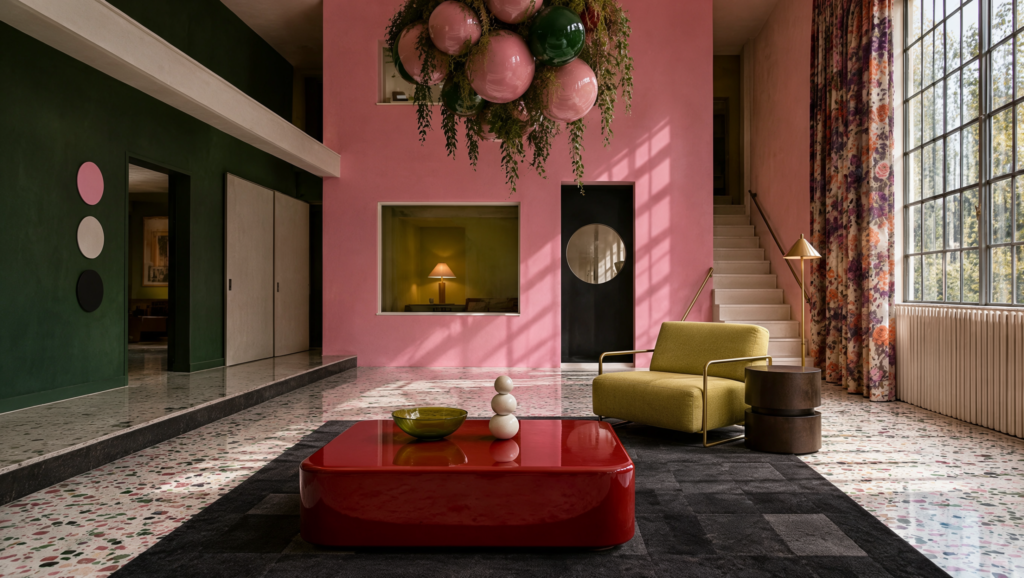
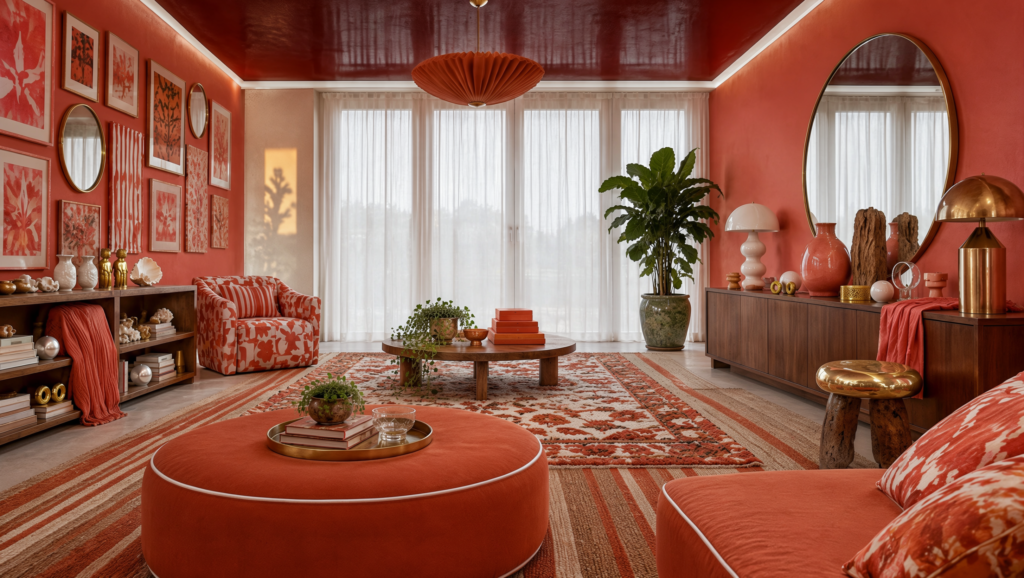


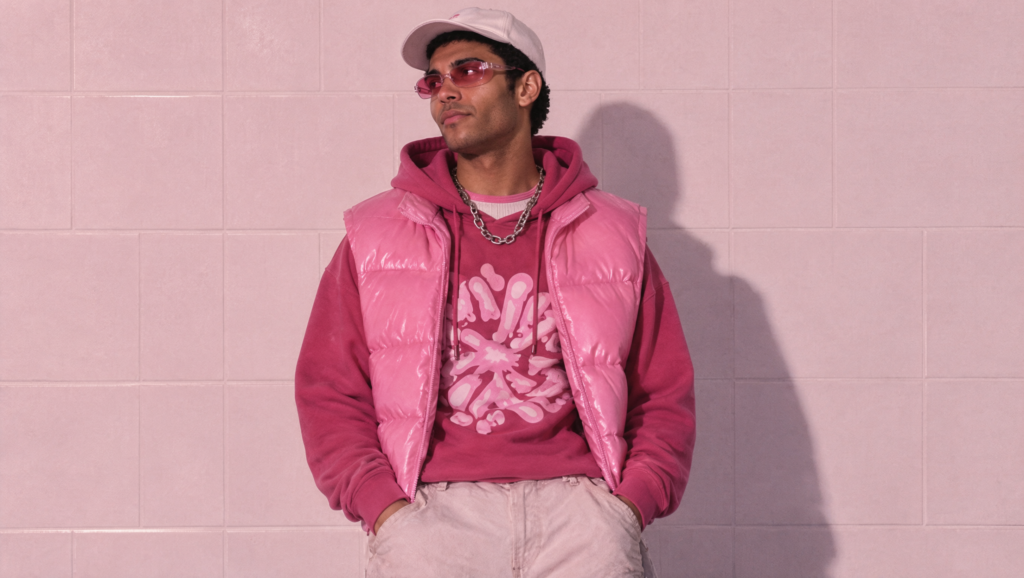
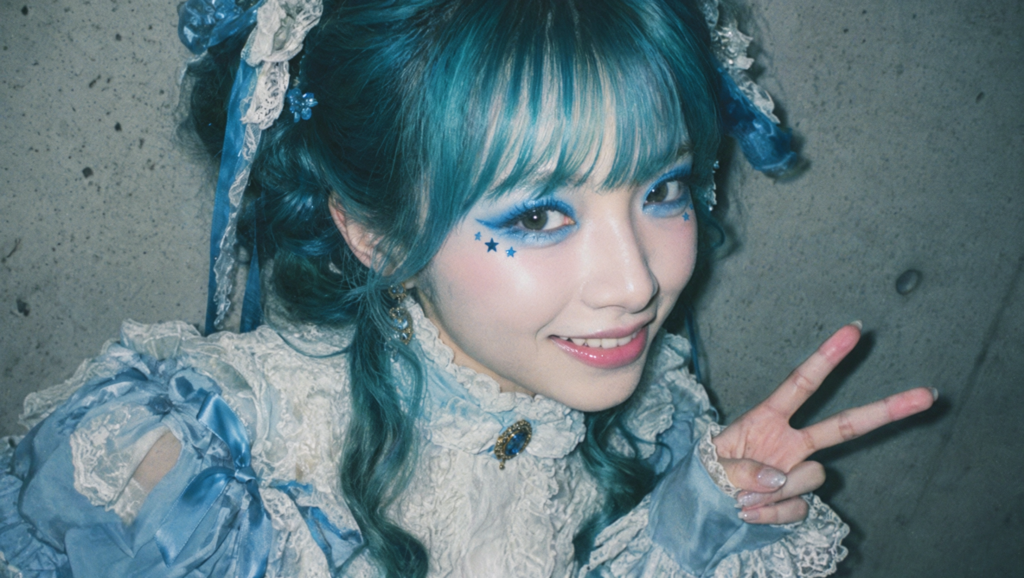


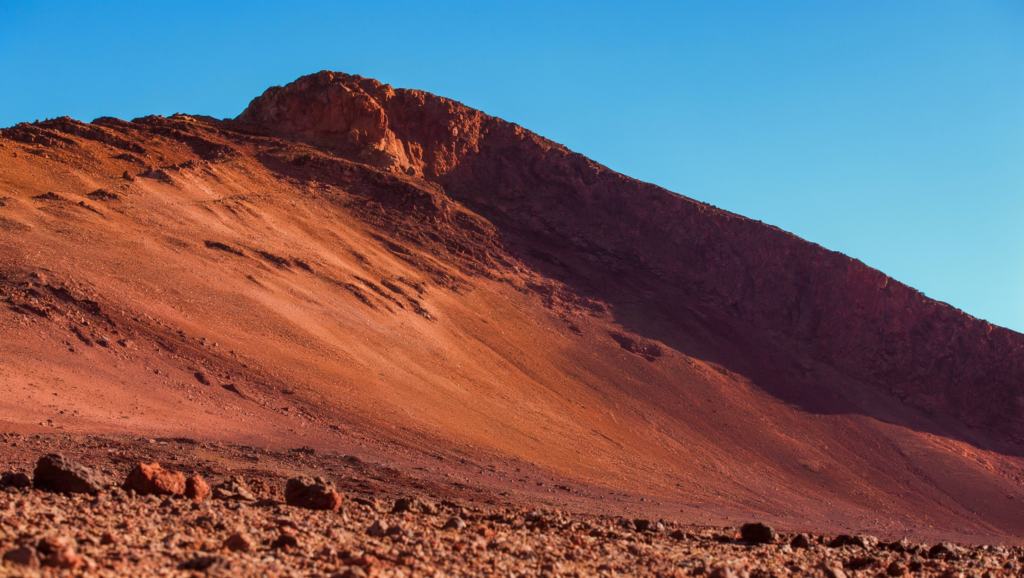

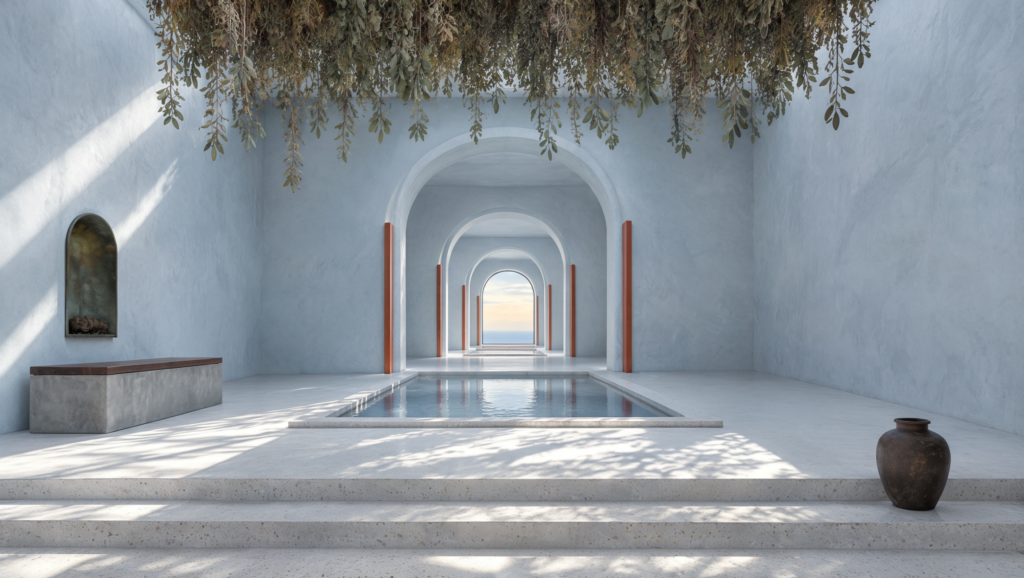



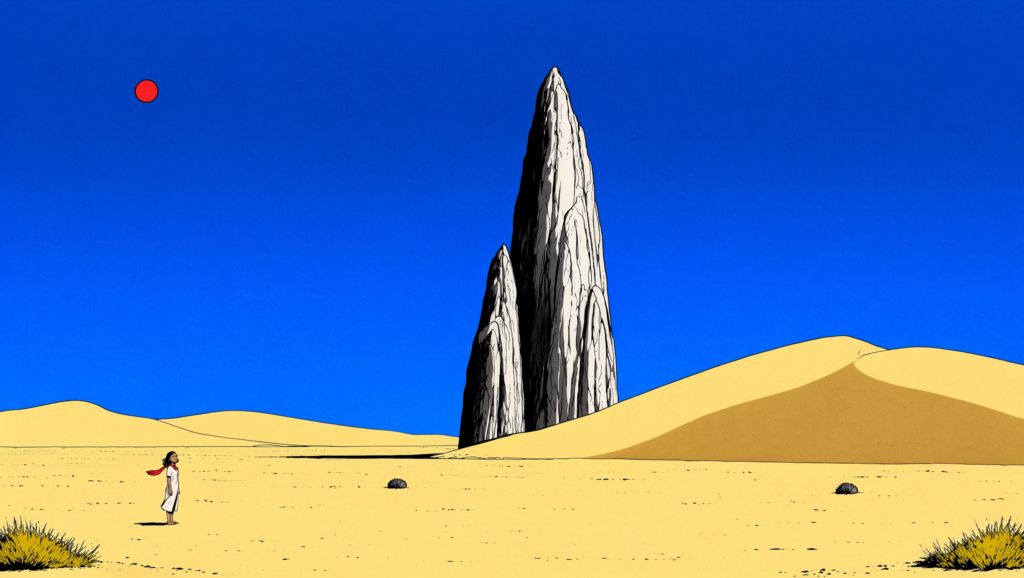





Developers can also get at Craft through Canva’s public API, which TechCrunch notes is the company’s way of pushing its models beyond its own app and into marketing platforms, e-commerce sites and ad builders. A Canva MCP connection, which would let AI assistants like ChatGPT and Claude generate a ready-to-use Canva graphic as one step in a bigger task, is listed as coming soon. Two faster, cheaper variants, Craft-fast and Craft-ultrafast, are also on the way with no dates attached.
Like everything AI on Canva, Craft sits behind Canva Shield, the company’s moderation and safety layer, with input and output filtering and tools to report anything dodgy.
Why Canva Built Its Own
Until now, Canva’s AI features have run on other people’s models, including those from Leonardo.Ai, the Australian start-up it bought in 2024, and various OpenAI integrations. That gets expensive at Canva’s scale. The company says its users create more than 400 designs every second, and in August CEO Melanie Perkins trimmed Canva’s 2026 growth forecast, with the cost of serving AI features widely reported as a factor. Investors marked the company’s valuation down from around $42 billion to roughly $35 billion in the same month.
Owning the model changes that maths. Canva says it has already cut the number of steps Craft needs to generate an image to a fraction of its first internal version and built a custom engine that makes it an order of magnitude faster. Faster and cheaper is the whole point of the forthcoming fast and ultrafast versions.
The Modems Take
We have lost count of the number of “state-of-the-art image model” announcements this year. Craft is different for one important reason: distribution. It lives where the work already happens. If it does what Canva says it does, legible text, sensible layouts, editable outputs, then the gap between “I have an idea for a post” and “the post is scheduled” just got a lot shorter for anyone running a brand from their laptop.
If you are the person who makes the graphics for your business, your side hustle or your friend’s hen do, go and open Dream Lab tonight. Ask for a purple sky, long shadows and a lone tree, and see whether it gives you all three.
Some of the products and services featured in this article may be from our affiliate partners, which means we may earn a small commission if you make a purchase through these links — at no extra cost to you. Our editorial team only spotlights what we genuinely love and think you will, too.