
Meet the Google Fitbit Edge, a fitness tracker that is 11.5mm thin, lasts a week on a charge, and comes with an AI health coach built in. It costs £159.99, pre-orders are open now and it lands in shops on 27 October.
Google is calling it its “smartest fitness tracker ever”, which is the kind of thing companies say. But dig into the spec sheet and there is a surprising amount going on here for the price, along with a few things that have gone missing since their last version. Here is everything you need to know:
What Is The Fitbit Edge, Exactly?
Think of it as the middle child of Google’s wearables family. At the top sits the Pixel Watch 5, a full smartwatch. At the bottom is the screenless Fitbit Air band for people who want their data and nothing else. The Edge sits in between: a slim tracker with a proper screen, serious fitness tools and just enough phone features (notifications, media controls, Google Maps when it arrives) to be useful.
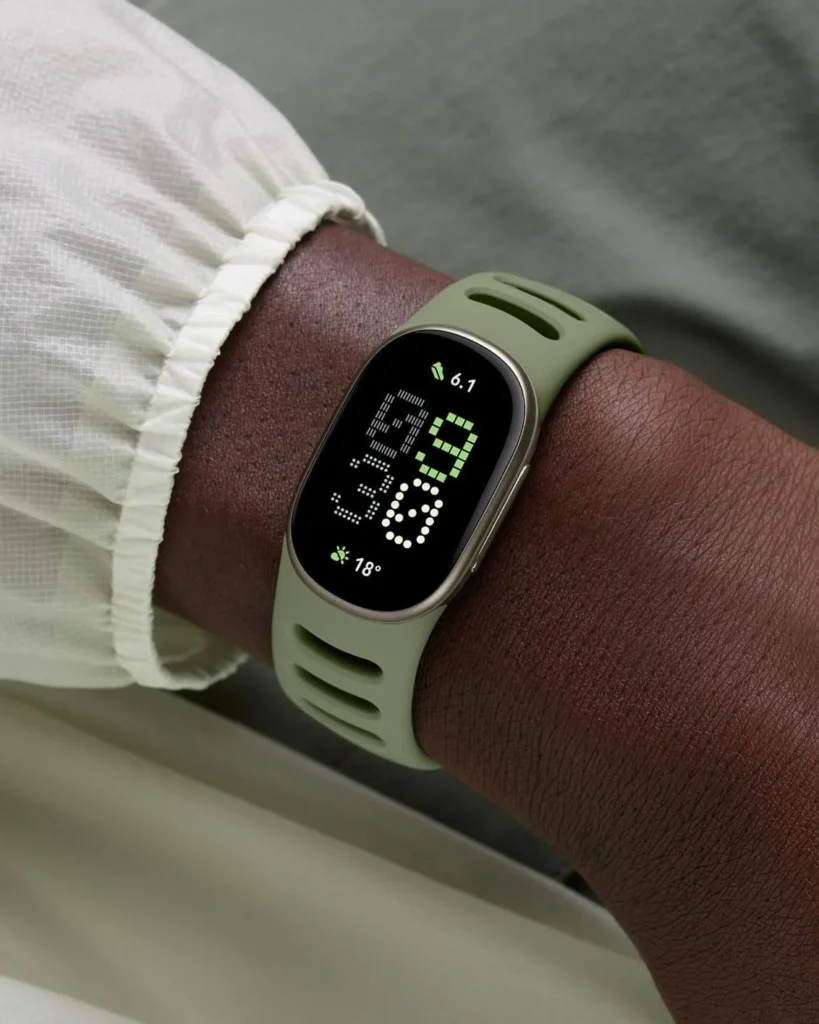
It is also, to all intents and purposes, the successor to the Fitbit Charge 6. Google has dropped the number and given it a name instead, which tells you how much of a reset this is meant to be.
The Design: Thin, Light And Actually Pretty
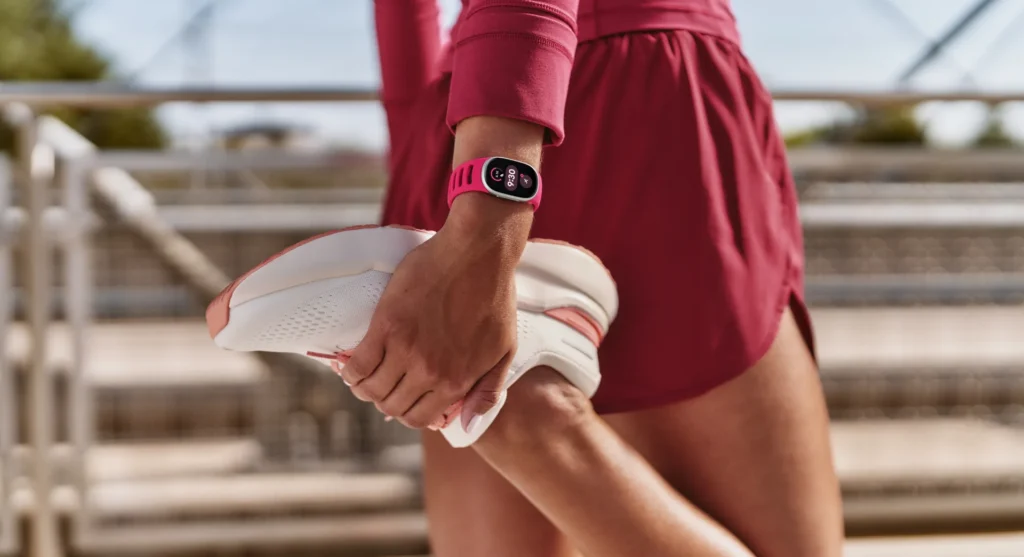
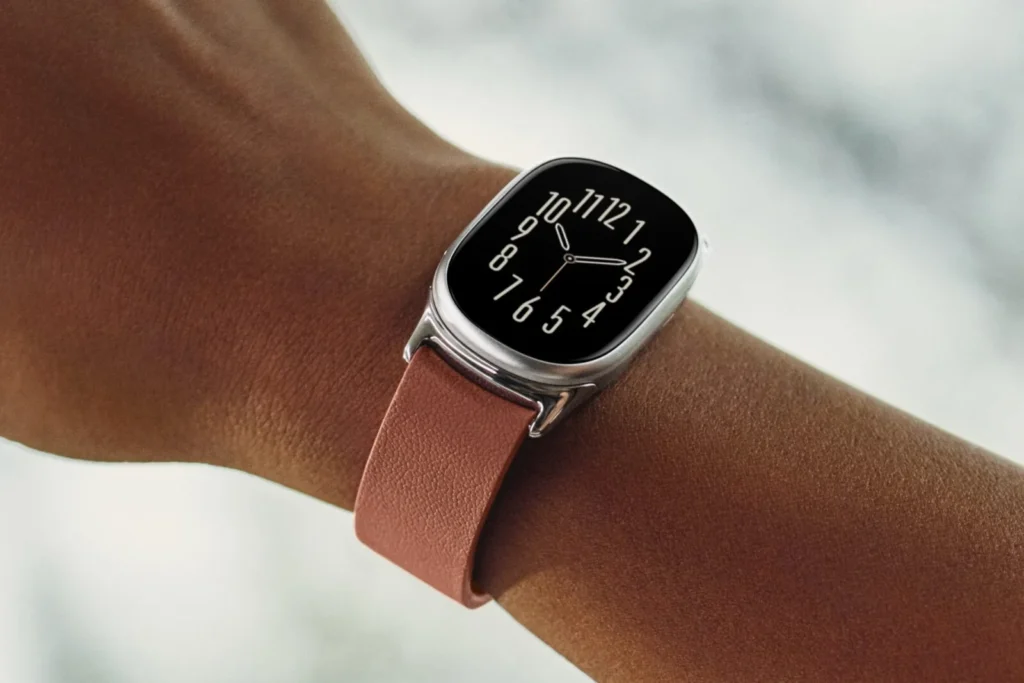
This is where Google has put the effort in. The case is recycled aluminium, the whole thing measures 11.5mm thin, and Google says the case is 45% lighter than the Apple Watch Series 12. It is shaped to follow the curve of your wrist rather than sit on top of it like a little brick, which is the difference between a tracker you wear to bed and one you take off at 9pm.
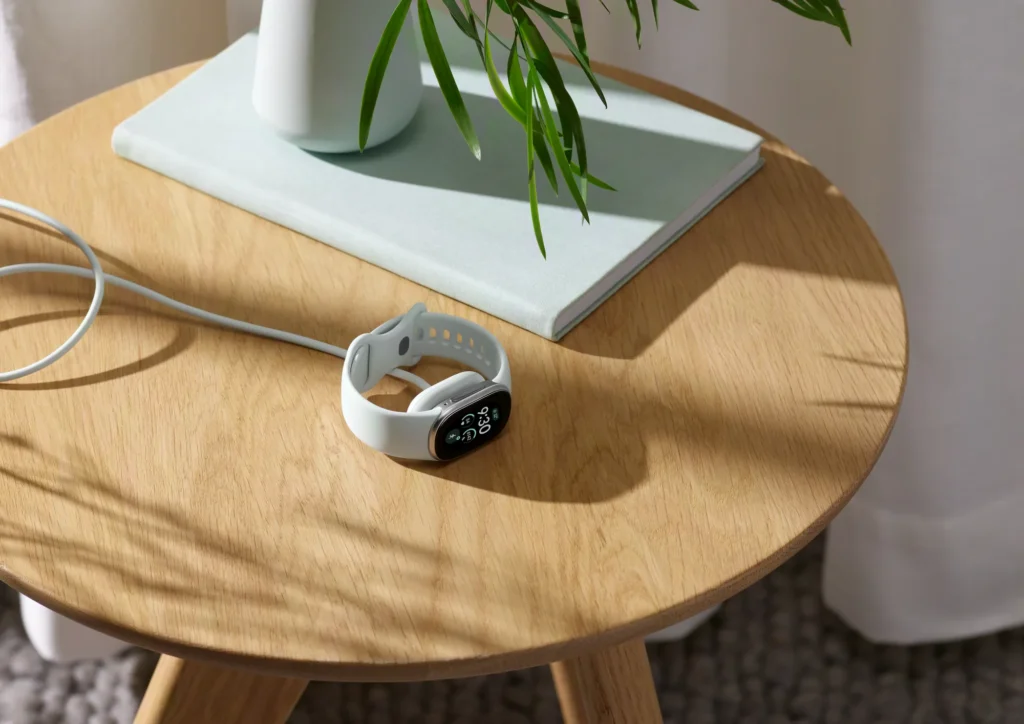
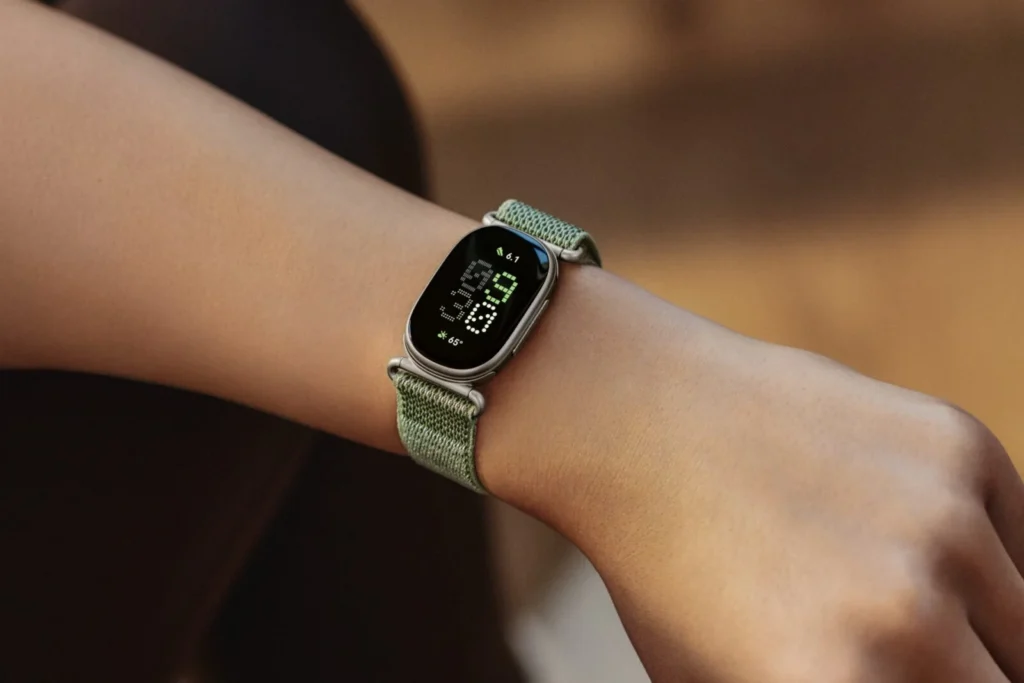
The screen is the biggest upgrade. Google says it is its largest and brightest tracker display yet, with 46% more viewing area than previous Fitbits, and it has a Hybrid OLED screen (aka: its readable in direct sunlight.) There is a redesigned physical side button too, with proper tactile feedback, so you can pause a workout without jabbing at a touchscreen with a sweaty finger. Small thing which feels like a big deal mid-run.
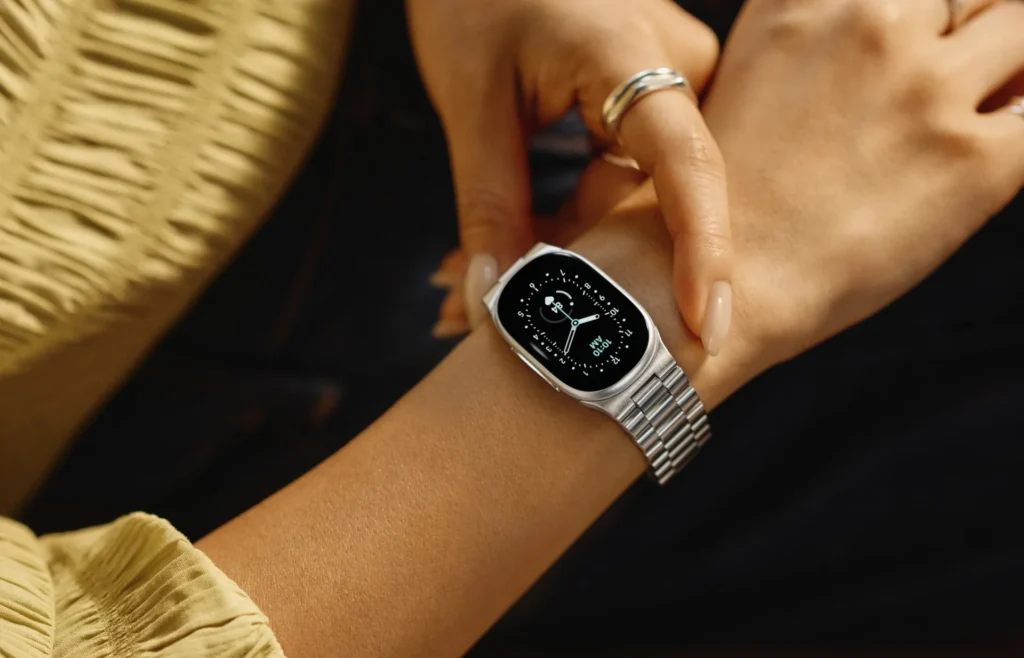
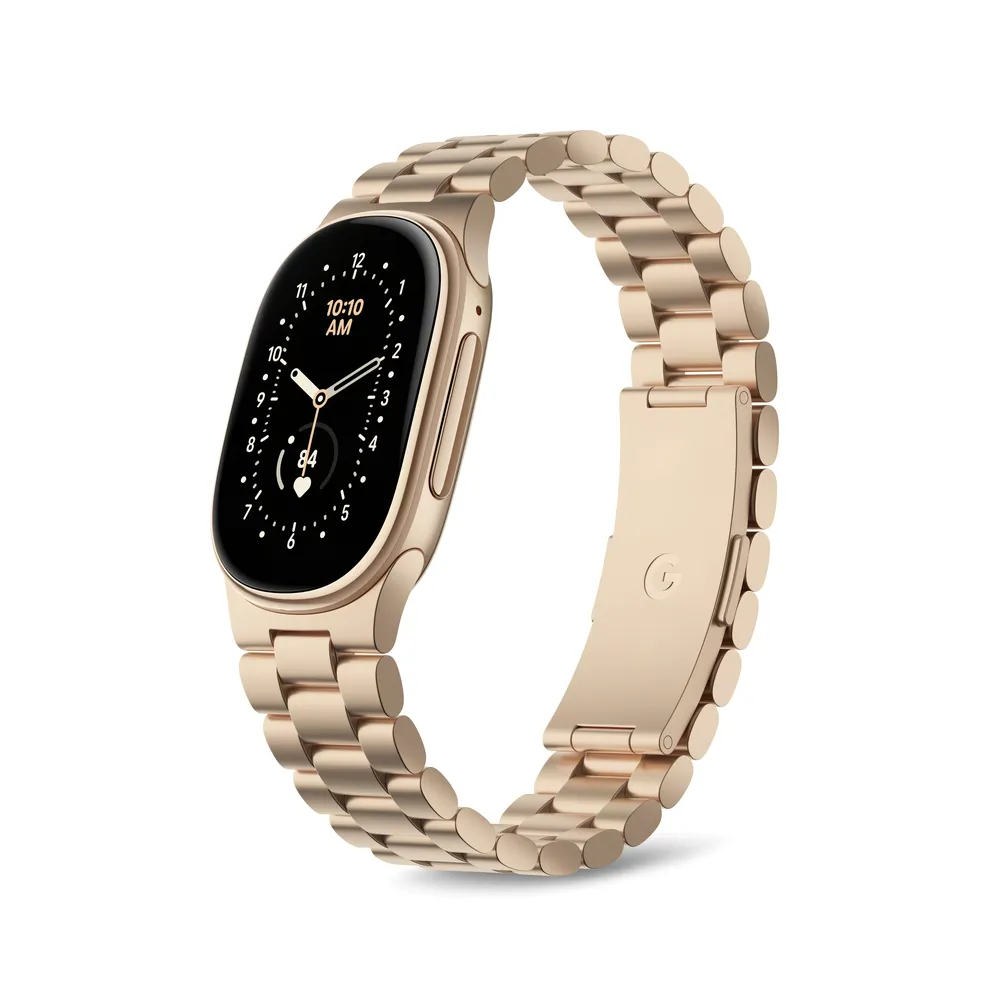
It comes in four finishes: Obsidian (matte black), Fog (polished silver), Olive (satin pyrite) and Canyon (warm gold), each with Google’s ultra-soft Active Band in two sizes. There is a full line of swappable bands on the way too, including a breathable Active Sport band, a micro-adjustable Performance Loop (coming soon), a sleek Magnet band and a Metal Links band for when you want it to look less like gym kit.
The Fitness Tools
The exercise app now tracks more than 50 workout modes from the wrist, with real-time guidance on screen: pace targets for runs, heart-rate zones for HIIT, splits for track sessions, core metrics for Pilates. Built-in GPS means you can leave your phone at home, and Google claims up to 40% better tracking accuracy than previous generations thanks to a new chipset and that aluminium housing. An altimeter counts your hill sprints and stair climbs properly.
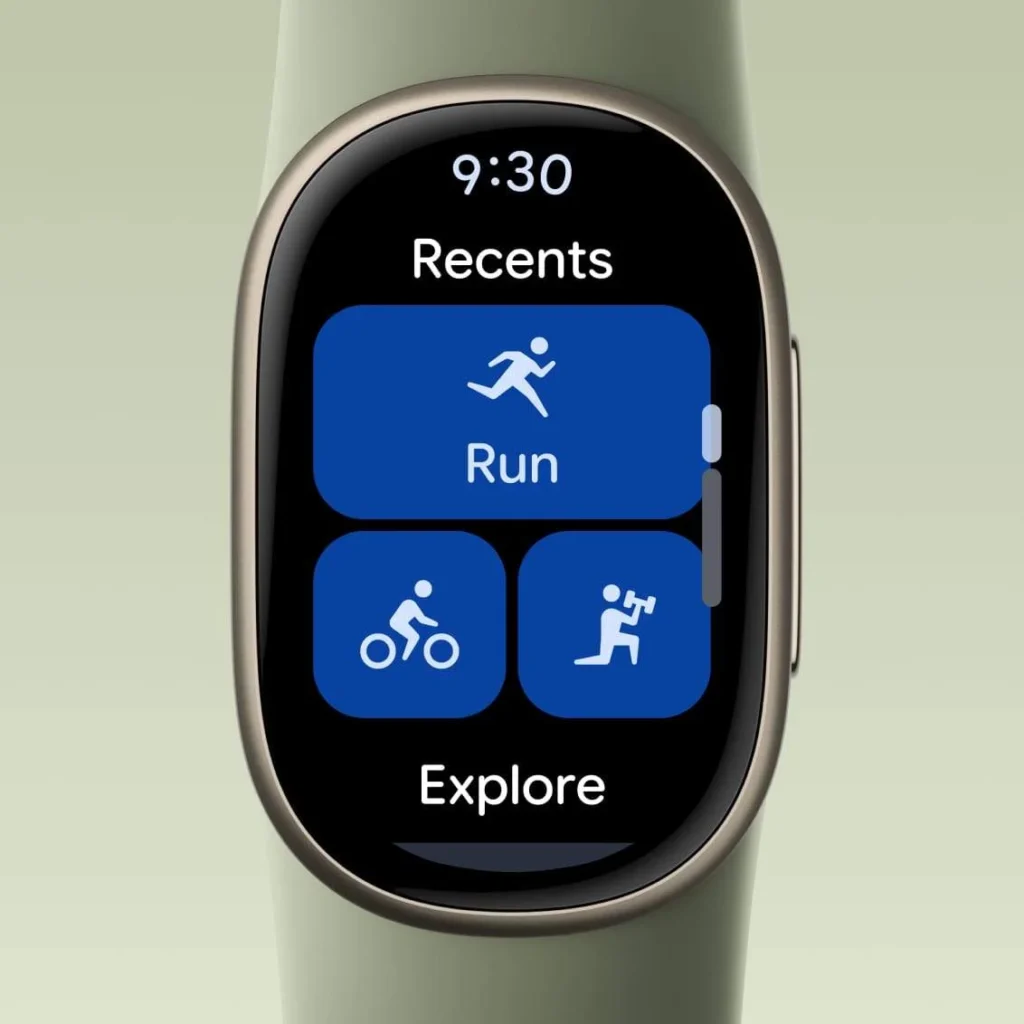
Our favourite feature is the laziest one. The Edge automatically recognises and logs up to 100 types of workout, from outdoor runs and rides to the walk to the station, even if you forget to press start. Every bit of effort counts towards your weekly goals whether you remembered to tell it or not.
The Health Tech (And The Small Print)
Here is where it gets interesting. The Edge has an on-wrist ECG* app (*Every time your heart beats, an electrical impulse travels through it, causing the muscle to contract and pump blood. An ECG measures these tiny electrical signals from your skin for heart-rhythm checks, continuous optical heart-rate monitoring, a dedicated skin-temperature sensor for overnight tracking, and sleep-stage and HRV* analysis (*Heart rate variability aka HRV is the slight, millisecond-scale difference in time between each heartbeat) that rolls into a recovery score each morning. There is also menstrual cycle tracking, so you can “track your cycle and symptoms to stay prepared with smart period predictions.”
Then there is Health Guardian, a set of features that quietly watch for shifts in your health in the background, including blood pressure trends, insulin resistance trends and high or low heart-rate alerts. Pair that with Google Health Premium and the Google Health Coach will translate those shifts into plain English, adapt your fitness plan and, in Google’s words, “give you context for conversations with your doctor”.
Now the caveats, because they matter. Google is explicit that these features are for “general wellness and informational purposes only”, are not medical devices, do not give real-time clinical readings and should not be used to adjust any medication. The blood pressure and insulin resistance trends are not screening tools for hypertension or diabetes, and Google says they are not for use during pregnancy. Availability also “varies by region”, and the ECG app is only in select countries, so check what is switched on in the UK before you buy it for any one feature. Clever, yes. A replacement for your GP, absolutely not.
The Battery
Up to seven days on a single charge, which Google calls “weekend-to-weekend” battery life. When you do run low, five minutes on the magnetic charger gets you a full day. The usual asterisk applies: that seven-day figure was tested in Battery Saver mode on pre-production hardware, so if you are running GPS every morning and the always-on display, expect less.
It is water-resistant to 50 metres, so it can come swimming. And in a first for Fitbit, it is repairable: a modular internal design and a replaceable battery mean the thing is built to be fixed rather than binned when the battery fades in year three. We love to see it.
What Is Missing
Not everything made the cut. There are three Charge 6 features the Edge has lost: NFC for Google Wallet (so no tapping your wrist at the Pret till), the EDA* Scan stress sensor (stress is now inferred from heart rate and skin temperature instead), and Google Maps, which is listed as “coming soon” rather than ready at launch. (*Electrodermal Activity – EDA scan measures tiny electrical changes in your skin caused by sweat gland activity linked to your sympathetic nervous system)
Price, Release Date And That Subscription
The Google Fitbit Edge is £159.99 in the UK ($179.99 in the US), available to pre-order now from the Google Store and retail partners, and on shelves from 27 October. Every purchase comes with three months of Google Health Premium included, which is what unlocks the Health Coach and the smarter Health Guardian insights. After that, Premium costs £7.99 a month in the UK unless you cancel, so factor it in if the AI coaching is the bit you actually want.
It works with most phones running Android 11 or later and iOS 16.4 or later, and you will need a Google Account and the Google Health app.

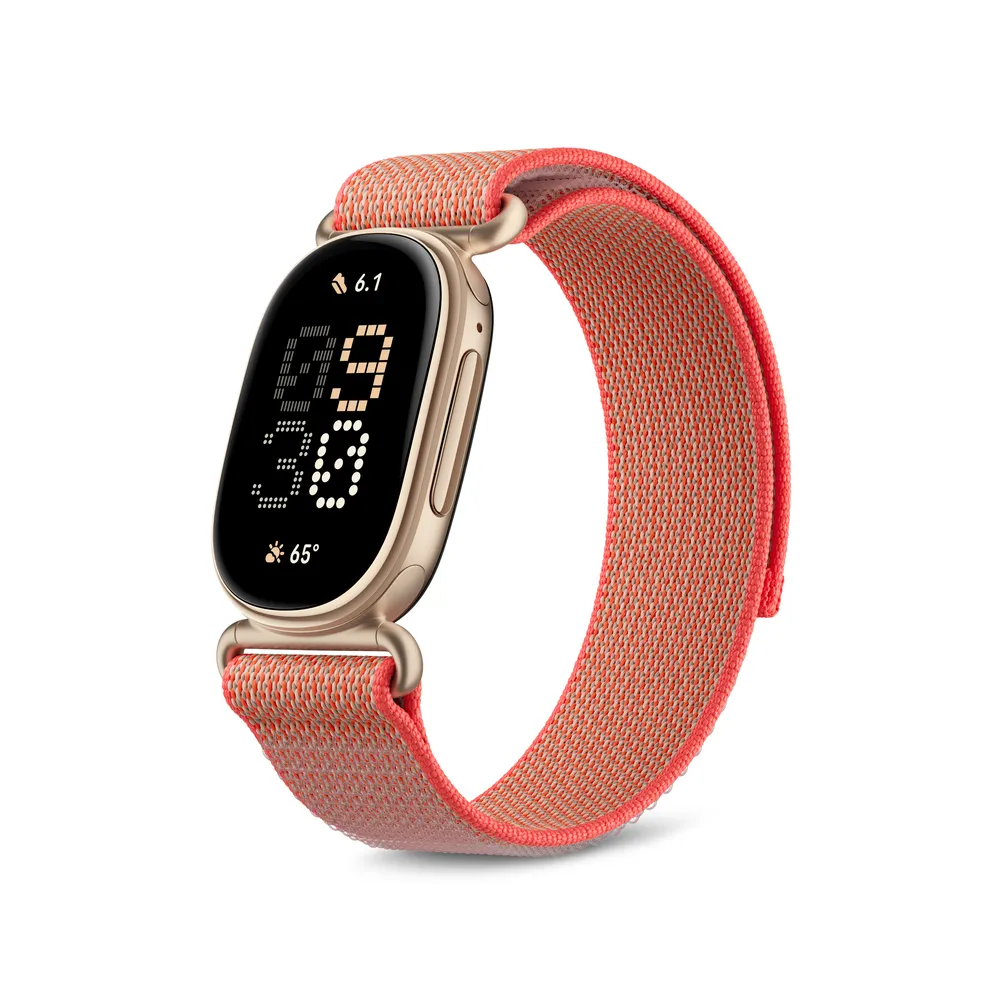
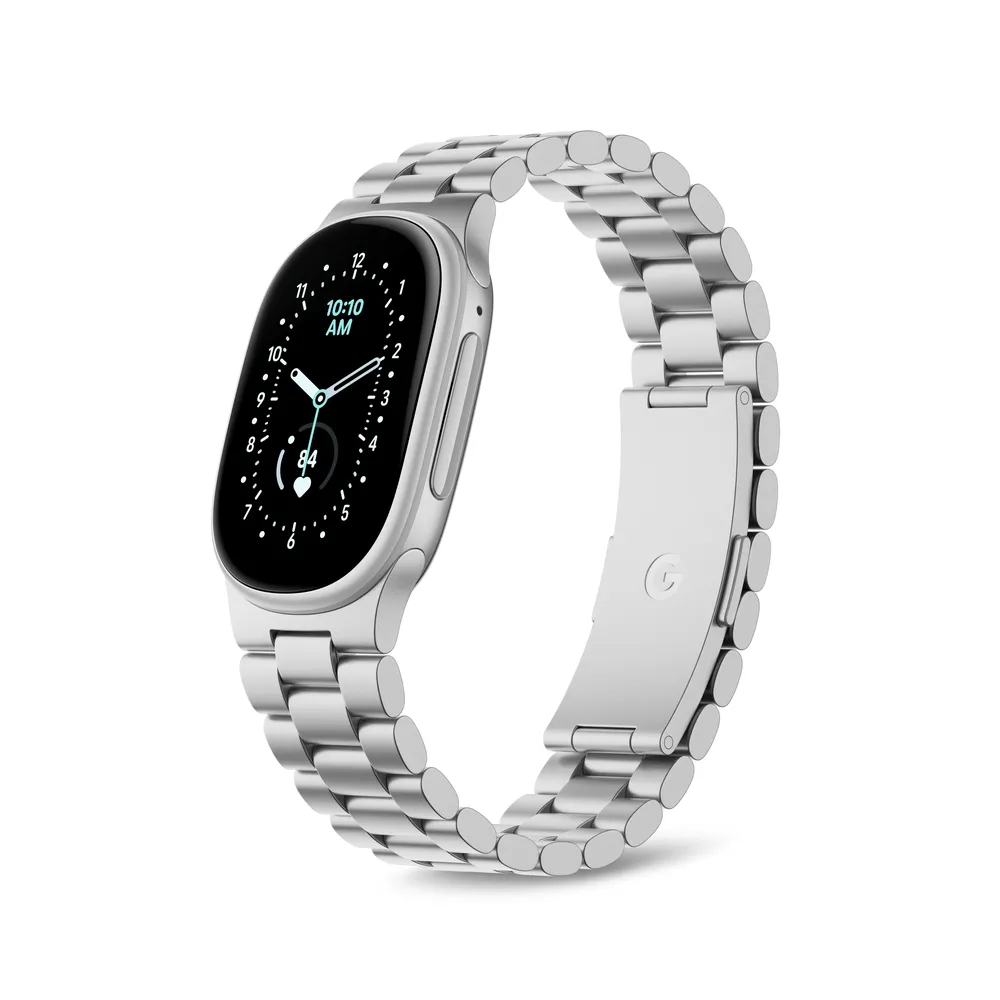
Why we care: The wearables market has spent years pushing everyone towards £400 smartwatches, when plenty of us just want to track our sleep, run without a phone and keep an eye on our heart. The Edge is the first tracker from Google that treats that as a design brief rather than a compromise: slim enough to wear daily, clever enough to notice when something is off, and repairable so it is not landfill by 2029. Just read the small print on the health features, and decide whether £7.99 a month for a coach is a habit you want to keep.
Some of the products and services featured in this article may be from our affiliate partners, which means we may earn a small commission if you make a purchase through these links — at no extra cost to you. Our editorial team only spotlights what we genuinely love and think you will, too.