
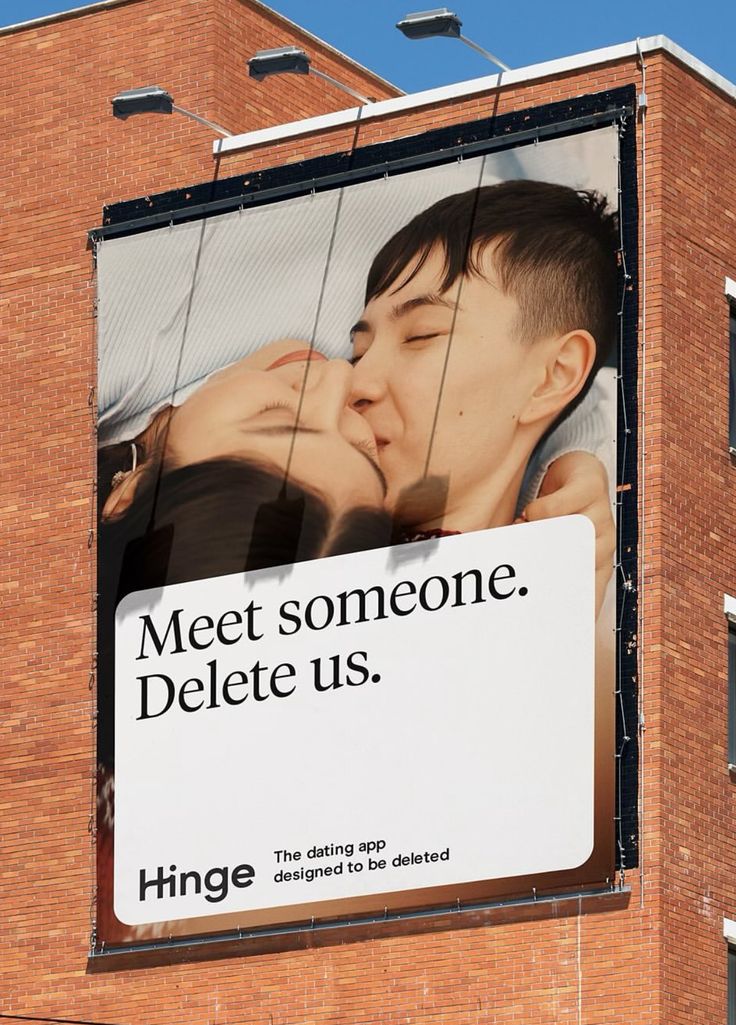
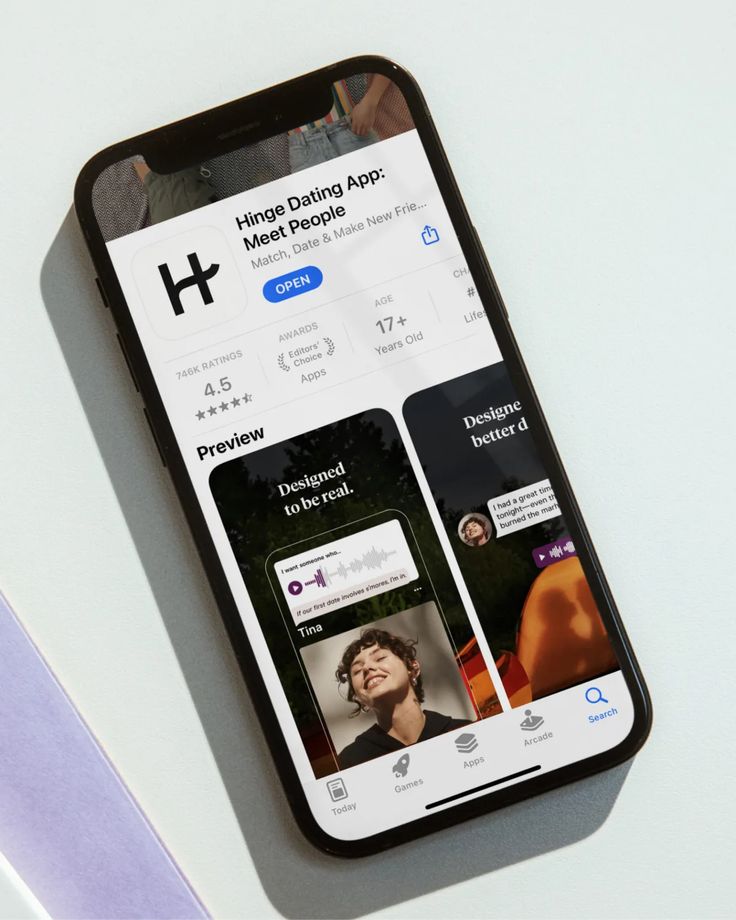
Hinge, the app that was supposedly designed to be deleted, would now quite like you to pay for it. Just a little less than before.
On Monday’s third-quarter earnings call, parent company Match Group confirmed that Hinge is testing a cheaper subscription tier, and it was unusually candid about who it is for. “It’s designed for women in particular, but also for price-sensitive users,” said Steve Bailey, chief financial officer of Match Group.
What The New Hinge Tier Actually Includes
Details are thin, which is standard for a test. Match Group said the new plan will include extra filters and custom location boundaries, giving you more say over who you see and where you meet them. Think a tighter radius that does not stretch to a town you would never visit, and the ability to screen on the things you actually care about before you spend an evening finding out the hard way.
The price was not shared. Nor were the markets where it is being trialled, or how long the test runs. What we do know is that this sits beneath Hinge’s existing paid plans rather than above them.
The Numbers Behind The “Designed For Women” Line
Bailey’s explanation was refreshingly blunt about the maths. “Remember that Hinge is one of the highest-priced products we have,” he said on the call, per TechCrunch. “The revenue per payer, for example, at Hinge is almost twice that of Tinder, around $30. It also has one of the lower payer penetrations. Its payer penetration is only slightly more than half that of Tinder.”
Hinge charges a lot, and a comparatively small share of its users are willing to pay it. A cheaper tier is a bet that a bigger crowd will hand over a smaller amount, rather than a small crowd handing over a large one.
It is a notable change of direction. Back in January 2023, Hinge confirmed that it was testing a premium plan priced at $50 to $60 a month, aimed at what it called “highly motivated daters”, at a time when its standard subscription cost around $35. That test was pitched as Hinge’s answer to Tinder Platinum. Nearly three years on, the experiment is running the other way.
Why Hinge Can Afford To Try This
Hinge is not doing this from a position of weakness. According to its Q3 figures, Hinge’s global monthly active users rose 12 per cent year on year in the third quarter, direct revenue (subscriptions plus in-app purchases) climbed 19 per cent to $221 million, and paying users grew 23 per cent to 2.3 million.
Tinder, by comparison, posted direct revenue of $480 million, down 2 per cent, with 8.9 million paying users, down 4 per cent on a year earlier. Tinder is still the bigger business, but Hinge is the one with momentum, and a cheaper on-ramp is a way to convert more of that growing audience into payers without asking them to commit to the top rate up front.
The broader context is less rosy for the category as a whole. A Match says it is seeing early signs of improvement, but it is clearly hedging, with Group Hangouts and in-person events being scaled up in the fourth quarter, and a real-time recommendations system that reacts to what you do within seconds rather than hours heading into testing on Tinder.
The Awkward Question
If women are the price-sensitive users on Hinge, that is not because women are stingier. It is because the value exchange has long been lopsided. Women on dating apps typically receive more likes than they can get through, so paying to see who liked you or to boost your profile solves a problem many of them do not have. The features that would actually help, such as better filtering and tighter control over location, were historically bundled into the pricey tiers alongside tools built for people trying to get noticed.

Putting filters and custom boundaries into a cheaper plan is, in effect, an admission that the old packaging was built around one kind of user and billed to everyone. Whether a lower price fixes that, or simply charges women for the privilege of better curation, is the debate worth having.
What This Means For You
If you are in the UK, do not expect to see the new tier tomorrow. Match has not said where it is testing, and features like this typically roll out gradually once the company has the data it wants. If the test works, expect a cheaper option that sits below the current Hinge+ and HingeX plans rather than replacing them.
And if you have already deleted Hinge in a fit of app fatigue, the pitch is clear: come back, pay less, and take more control over who shows up in your feed. Whether that is enough to lure people back to the swipe economy is the $30-a-month question.
Some of the products and services featured in this article may be from our affiliate partners, which means we may earn a small commission if you make a purchase through these links — at no extra cost to you. Our editorial team only spotlights what we genuinely love and think you will, too.