
Microplastics—tiny particles smaller than a pencil eraser—are everywhere, from the ocean to your dinner plate. Linked to health risks like cancer, DNA damage, and gut microbiome disruption, these plastics are infiltrating our food in sneaky ways. But don’t panic yet—Beatrice, aka “The Anti-Plastic Lady,” is here to help, and has shared her expertise with Ellyn Lapointe from the Daily Mail. She’s breaking down 10 everyday foods with high microplastic levels and offering swaps to help you eat cleaner and healthier.

Image courtesy of National Geographic
1. Seafood
Oceans are doubling their microplastic levels every six years, and shellfish like clams, mussels, and fish are absorbing them. Eating lots of seafood can mean ingesting 11,000 microplastic particles annually. No easy fix here—just cut back and avoid processed options.
DISCOVER: Meet Livia, a gadget promising to ‘switch off’ period pain
MORE: Electric Headset for Depression Gains NHS Approval
2. Salt
Surprisingly, unrefined sea salts are worse for microplastics. Beatrice suggests choosing highly processed American table salt over trendy pink Himalayan salt to minimise your intake.
3. Processed Dairy
Highly processed dairy products, like powdered cheese and conventional milk, carry more microplastics. Opt for minimally processed, organic options instead. However, be cautious with raw dairy products—they come with other health risks.
4. Baby Food Pouches
Convenient but risky, these plastic pouches leach microplastics into pureed food, especially when heated during processing. Beatrice advises skipping pouches altogether and feeding kids fresh fruits and veggies.
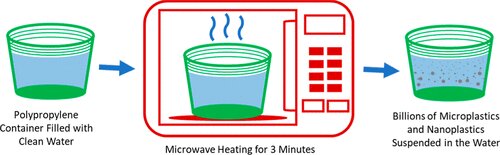
Plastics used for baby food packaging found to release large numbers of microparticles when microwaved. Image courtesy of Medical Xpress
DISCOVER: Goodnight, sleep tight… thanks to this new app
MORE: This AI From Japan Can Detect If Cats Are In Pain
5. Retort Foil Pouches
Foods like tuna and lentils in these pouches are cooked directly in their packaging, creating a microplastic hotspot. Beatrice suggests switching to dried beans and lentils, or preparing your own fish.
6. Nylon Tea Bags
That fancy tea bag could be steeping billions of microplastics into your cup. Swap nylon for loose-leaf tea with a reusable strainer or stick to paper tea bags.
DISCOVER: AI Breakthrough Predicts Breast Cancer 5 Years Early—And We Finally Know How It Works
MORE: Teens are using social media to diagnose themselves with mental health issues
7. Processed Meats
From chicken nuggets to breaded shrimp, the more processed the product, the higher the microplastic content. Stick to whole cuts of meat or plant-based proteins with minimal processing.

Image Courtesy of Global Food Consumer
8. Seaweed
Seaweed is another ocean casualty. Microplastics cling to its fibers, and washing methods can’t fully remove them. Unfortunately, there’s no great alternative—just cut back on consumption.
9. Honey
Urban bees carry microplastics from polluted environments into their honey. Beatrice recommends choosing honey sourced from rural areas to minimise contamination.
DISCOVER: Tech Detox: how to set healthy boundaries with your devices
MORE: AI Imagined ‘Beautiful Women’ from 100 Countries Around the World
10. Beer
Microplastics sneak into beer during brewing. Larger brands with better filtration tend to have lower levels, and opting for beer in glass bottles over cans helps.

-

- Images Courtesy of NPR and Nest and Glow
The Takeaway
Tech plays a key role in uncovering microplastics in food, and Beatrice’s advice offers simple ways to avoid them. From ditching plastic packaging to choosing minimally processed options, these swaps show how modern science and thoughtful choices can lead to a cleaner, healthier lifestyle. Time to rethink that grocery list!
Some of the products and services featured in this article may be from our affiliate partners, which means we may earn a small commission if you make a purchase through these links — at no extra cost to you. Our editorial team only spotlights what we genuinely love and think you will, too.
8 responses to “10 Foods High in Microplastics—and Easy Swaps to Stay Safe”
-
… [Trackback]
[…] Information to that Topic: themodems.com/health/10-foods-high-in-microplastics-and-easy-swaps-to-stay-safe/ […]
-
… [Trackback]
[…] Info to that Topic: themodems.com/health/10-foods-high-in-microplastics-and-easy-swaps-to-stay-safe/ […]
-
… [Trackback]
[…] Find More to that Topic: themodems.com/health/10-foods-high-in-microplastics-and-easy-swaps-to-stay-safe/ […]
-
… [Trackback]
[…] Find More Info here on that Topic: themodems.com/health/10-foods-high-in-microplastics-and-easy-swaps-to-stay-safe/ […]
-
… [Trackback]
[…] Read More Information here on that Topic: themodems.com/health/10-foods-high-in-microplastics-and-easy-swaps-to-stay-safe/ […]
-
… [Trackback]
[…] Read More on to that Topic: themodems.com/health/10-foods-high-in-microplastics-and-easy-swaps-to-stay-safe/ […]
-
… [Trackback]
[…] Read More on that Topic: themodems.com/health/10-foods-high-in-microplastics-and-easy-swaps-to-stay-safe/ […]
-
ระบบโดเนทสตรีมเมอร์
แนะนำเลย ระบบโดเนทสตรีมเมอร์ แพลตฟอร์มโดเนทสำหรับสตรีมเมอร์ ใช้งานง่าย รองรับการโดเนทแบบเรียลไทม์
Leave a Comment