
Why we care: The smart ring on your finger (or your wishlist) just acquired serious star power. Oura has signed Coco Gauff – one of the most magnetic figures in women’s sport – as a long-term ambassador heading into the US Open. The recovery economy keeps recruiting bigger names, and this one says everything about where wellness tech is heading.
There was a time when an athlete’s essential equipment was a racquet and a good physio. In 2026, add a titanium ring that knows how she slept. Oura has announced long-term partnerships with top-10 tennis players Coco Gauff and Taylor Fritz, timed for maximum visibility ahead of the US Open – the fourth and final Grand Slam of the year, and the fortnight when New York briefly becomes the centre of the sporting universe.
Both players will be competing with the Oura Ring 5, using what the company calls “research-grade data” to navigate preparation, competition and recovery – translating, in Oura’s words, “the hidden hours of travel, sleep, and recovery into visible, actionable signals”.
The Composure Play
“People see the results, but they don’t see everything that goes into being ready to compete at this level, week after week,” Gauff said in the announcement. “For me, staying composed under pressure isn’t something that just happens on the court – it starts with how well I understand my own body, especially during a long tournament when there’s so little time to recover between matches. That’s what drew me to Oura. It’s not about chasing numbers, it’s about actually listening to what my body is telling me and incorporating that into how I train and recover.”
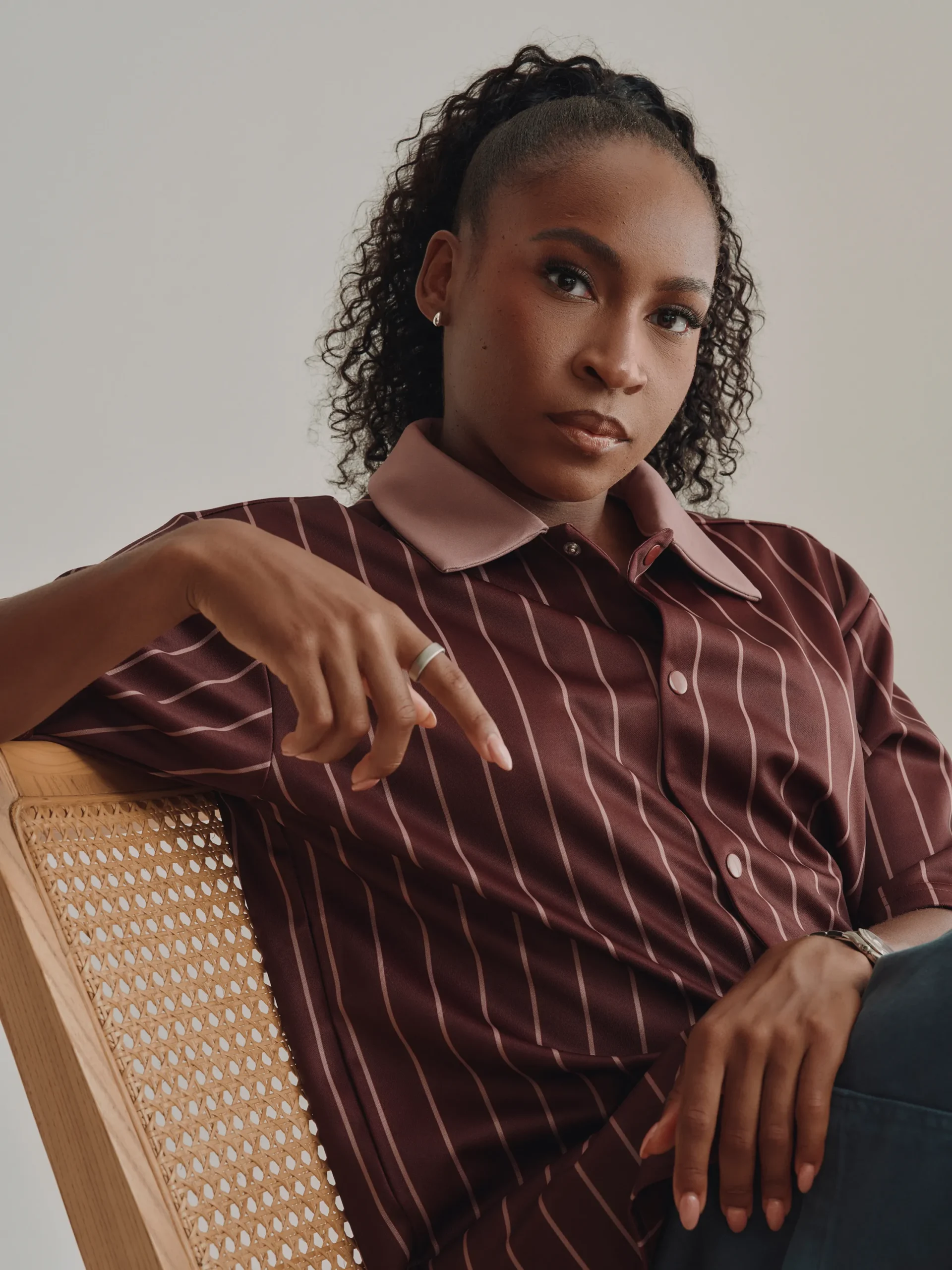
Oura is positioning Gauff as, “a modern vision of performance – one grounded in composure, self-awareness, and a strong sense of how to care for herself through the demands of elite competition”. For a generation of women thoroughly done with hustle-culture wellness, that is precisely calibrated messaging – self-knowledge as the flex, not suffering.
Fritz, the ATP top-10 stalwart, added, “Anyone can have a good week. Consistency is what’s paramount,” he said. “Oura helps me see how my daily habits add up over time, and it keeps my routine sustainable over a long season.”
The Campaign Worth Watching
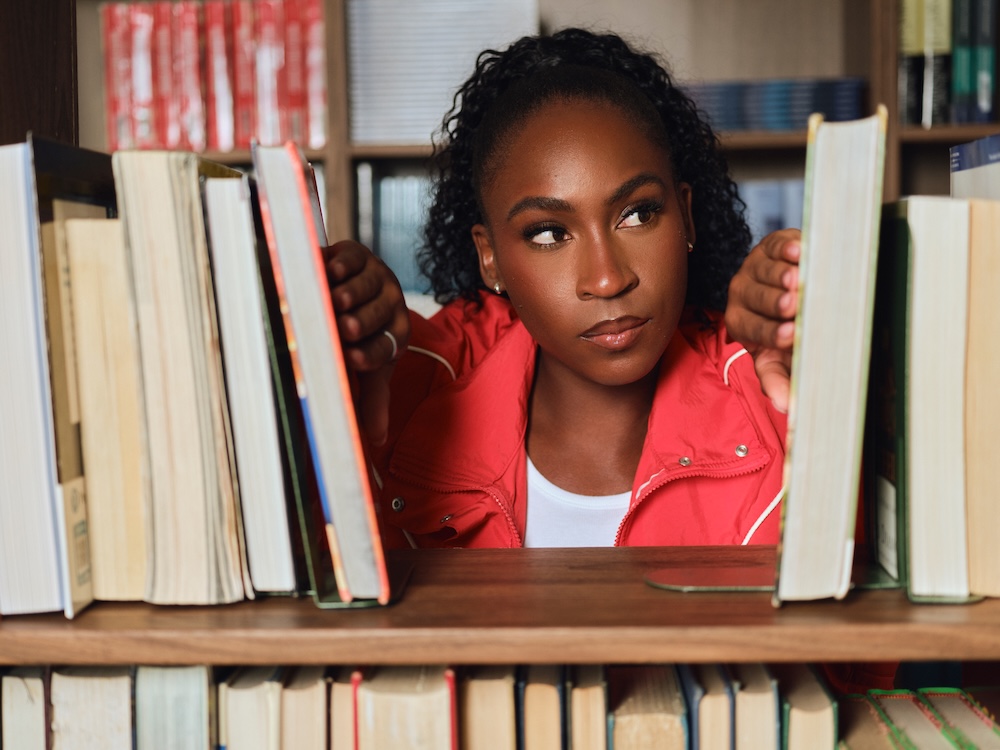
The accompanying marketing campaign, launching this week, is where the partnership gets genuinely interesting. Rather than slow-motion serves, it focuses on the athletes’ off-court stories – and Gauff’s is remarkable: her segment unfolds at Atlantic Community High School, her family’s alma mater, where her grandmother was one of the first Black students to enrol after integration – “connecting her love of reading and family legacy to her evolution into one of tennis’s top stars”, explain Oura. It’s the rare wearable ad with an actual story to tell, and it will be hard to miss: the campaign extends across LinkNYC kiosks throughout New York City and print advertisements in The New York Times.
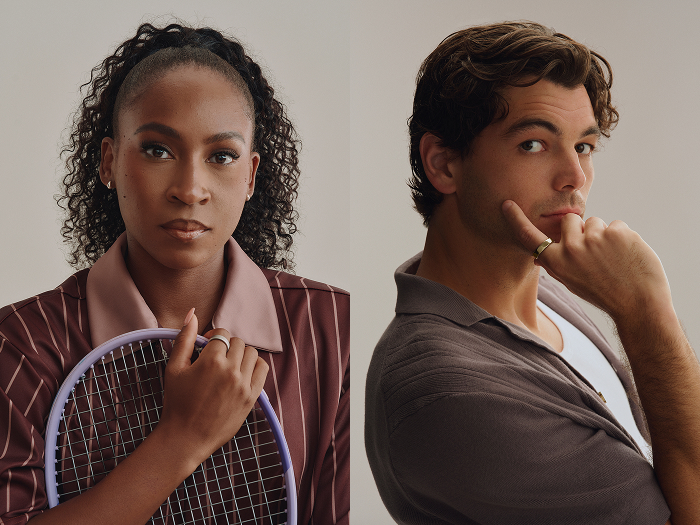
“Coco and Taylor each bring a distinctive approach to elite sport,” said Doug Sweeny, Oura’s chief marketing officer. “These partnerships are part of Oura’s long-term strategy to work with athletes who share our vision for a more thoughtful, sustainable approach to health and performance.”
The Bigger Land Grab
Zoom out and the ambition is unmissable. Gauff and Fritz join an ambassador roster already featuring footballers Harry Kane and Declan Rice, alongside partnerships spanning the USTA and US Open itself, U.S. Soccer, Team USA, Team Finland and the LA28 Olympics.
Founded in Finland in 2013 and now headquartered in San Francisco, Oura claims 50+ continuously tracked health metrics, scientific validation against medical gold standards, and 1,200+ partners across wellness and medicine. The strategy, per the company, is to show “how the same principles trusted by top athletes can help more people improve how they recover, feel, and perform in everyday life”.
View this post on Instagram
The Impartial Bit
Oura’s own fine print is admirably direct: the ring “is not a medical device and is not intended to diagnose, treat, cure, monitor, or prevent medical conditions or illnesses”. And as our own Biohacking Beauty interviewees keep reminding us, the healthiest way to wear one is as a check-in, not a report card – data in service of listening to your body, never a replacement for it.
Those caveats logged: as a cultural signal, this deal is the real thing. The most-watched woman in tennis choosing recovery tech as her flagship partnership – fronting a campaign about family, legacy and composure rather than grind – tells you exactly where the wellness conversation has moved. The scoreboard still matters at the US Open. But this fortnight, so does the readiness score.
Some of the products and services featured in this article may be from our affiliate partners, which means we may earn a small commission if you make a purchase through these links — at no extra cost to you. Our editorial team only spotlights what we genuinely love and think you will, too.
Leave a Comment