
If you can still perform an entire Vine from memory at a dinner party, unprompted, to an audience of people who did not ask – congratulations, you are the target market. Nearly a decade after Twitter switched off the six-second looping video app that gave the internet its most quotable era, its successor has arrived. It has a manifesto, a ban on AI-generated content and a Taco Bell deal.
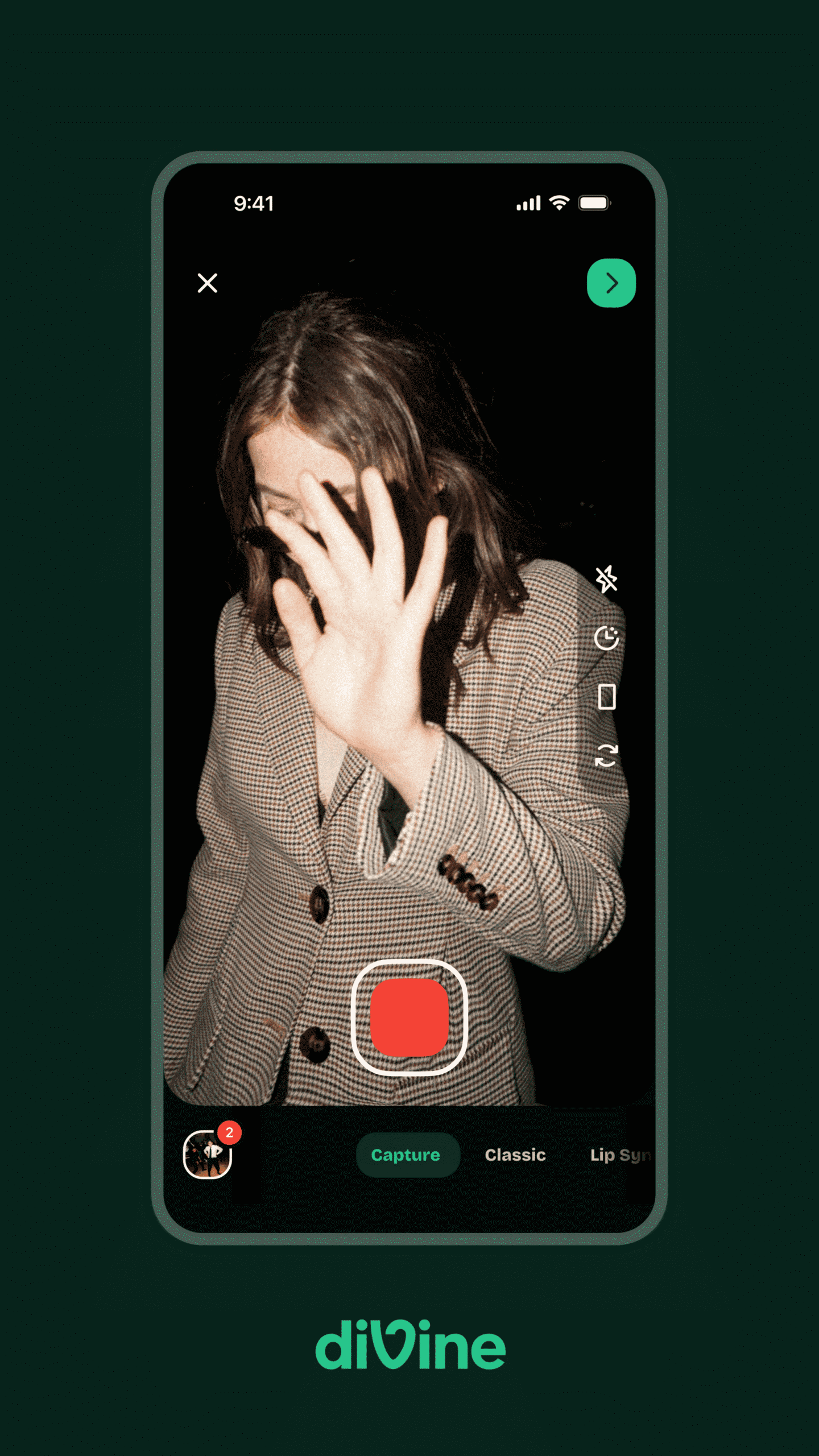
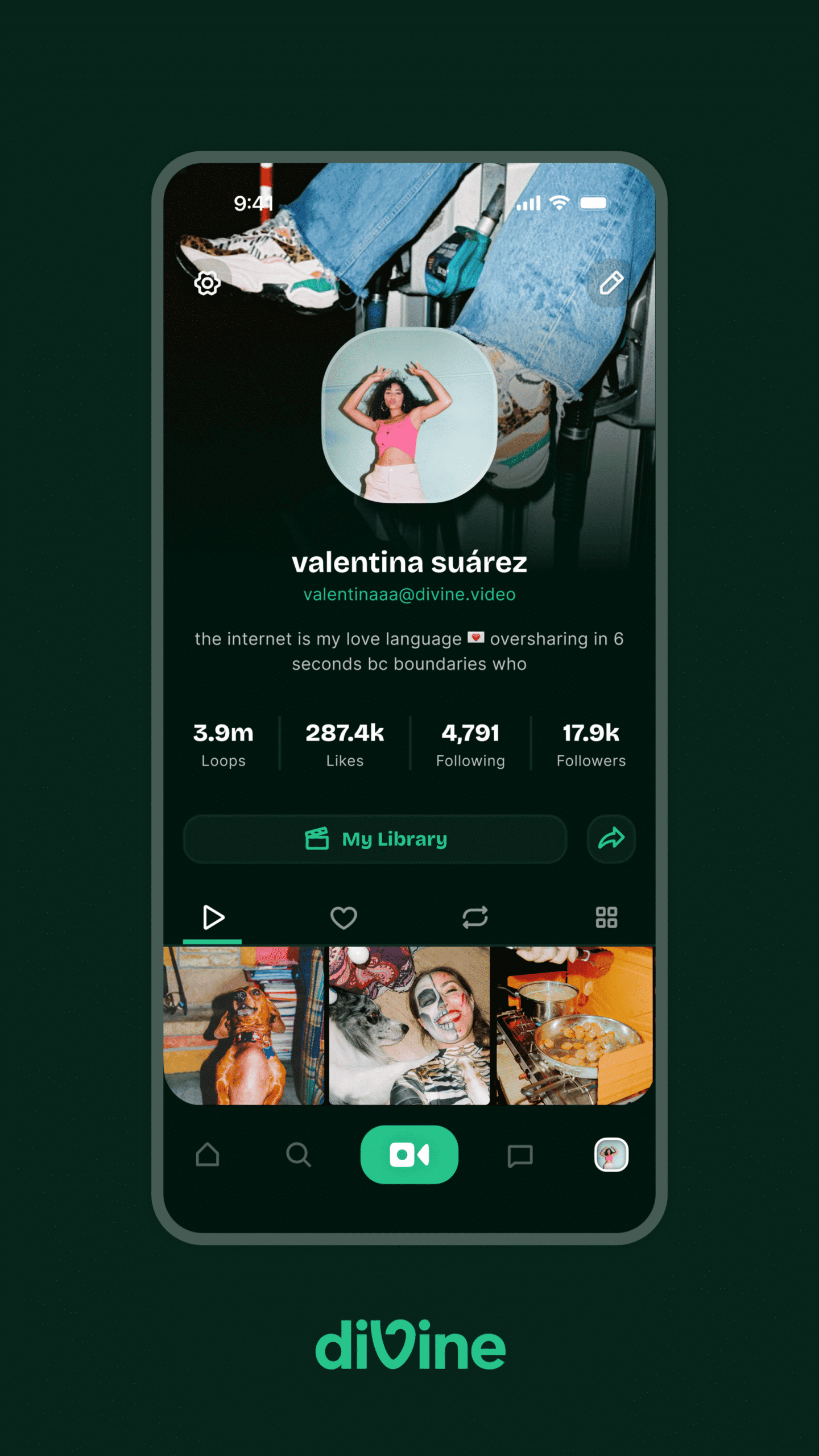
Divine opened to the public on 20 August 2026, dropping the invite codes that had gated nine months of beta testing. It looks, deliberately, like the thing you remember: a scrolling feed of six-second videos that loop until you either laugh or lose your grip on time. What sits underneath it, however, is a rather more ideological piece of engineering.
First, The Nostalgia
“At its peak, Vine had more than 200 million monthly active users and helped launch the careers of some of the internet’s biggest stars. Jake Paul and Lele Pons are two of those who made their names on the platform before it was shut down by its owner Twitter in 2017,” explains the BBC.
The Divine app was built by Rabble – the nom de internet of Evan Henshaw-Plath, one of Twitter’s earliest employees, and the man who once hired a young Jack Dorsey. Dorsey has funded Divine through his non-profit And Other Stuff, though the company is at pains to point out he owns none of it: “Jack Dorsey doesn’t own Divine,” reads the FAQ page, noting that he “holds no equity and has no ownership”.
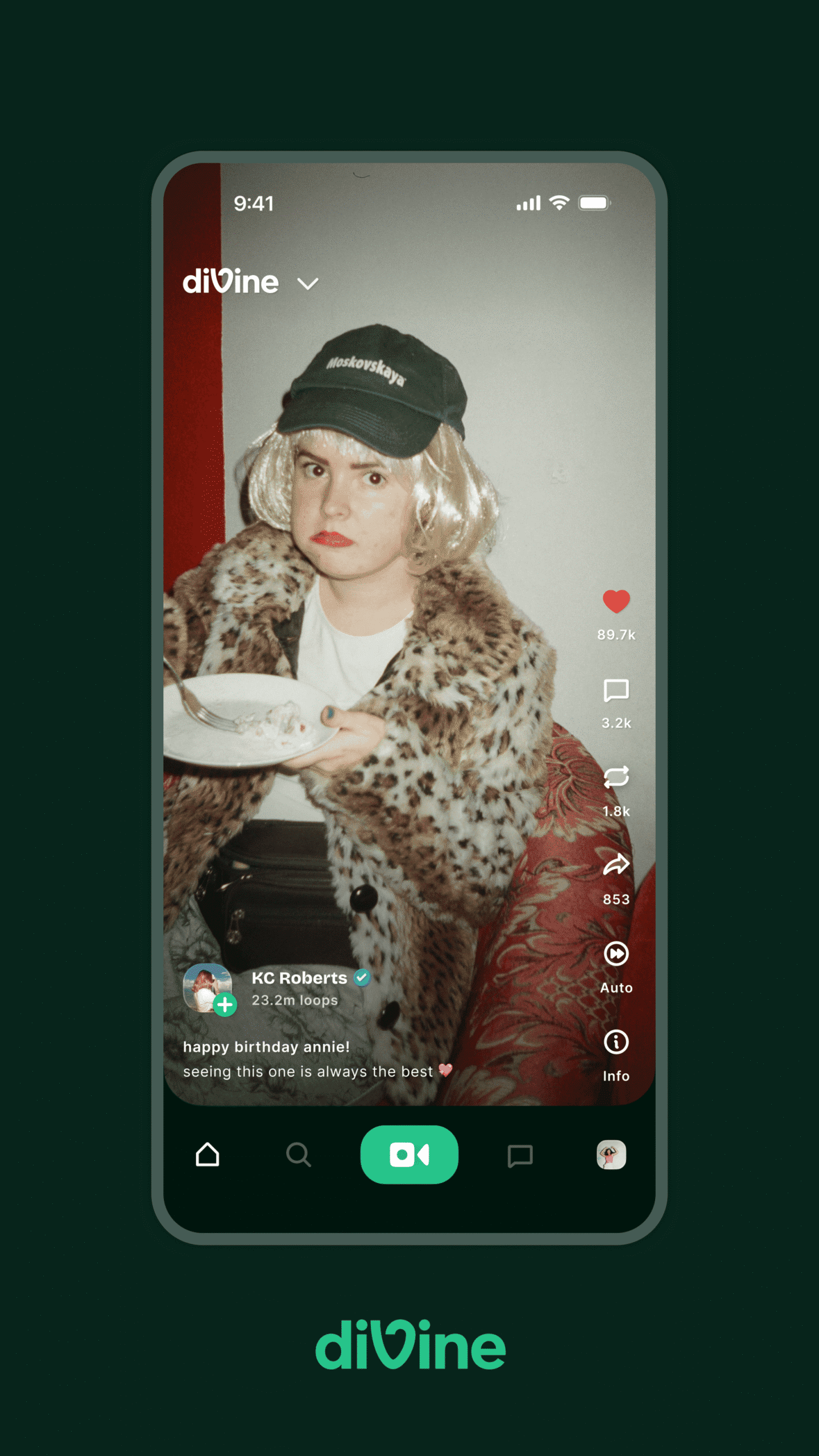
The genuine hook, for anyone who spent 2013 to 2017 with a cracked iPhone 5 in hand, is the archive. When Vine was shuttered, volunteer archivists at ArchiveTeam and the Internet Archive preserved a vast tranche of public videos before they vanished. Divine has been steadily importing them. Divine says it has recovered “~170,000 archived videos” and “~62,000 creator accounts” recovered so far, with the caveat that not every Vine was archived and “many videos were never preserved and may be lost forever”.
Either way, the effect is uncanny. A generation’s collective in-jokes, restored, badged as archival, and looping again – a functioning museum of pre-algorithmic humour.
The Anti-AI Position
The more interesting proposition is what Divine won’t host. In a feed economy increasingly clogged with what everyone has agreed to call AI slop, Divine bans generative content outright.
Enforcement is layered rather than absolute. Videos must be recorded live in the app rather than uploaded from elsewhere. The platform uses ProofMode, an open-source verification tool that attaches cryptographic signatures, content hashes and timestamps to footage – a sort of digital receipt proving a real camera was involved. Machine-learning detection, user reporting and human review sit on top. Divine is refreshingly frank about the odds: “While AI detection is imperfect, we believe that combining these methods increases reliability.”
“By stripping away the pressure to create content that gets picked up by an ad algorithm, we’ve uncovered what it is that people actually want to create,” said Rabble, co-founder and CEO of Divine, in the company’s launch announcement. “We are starting a movement to make social media feel creative, joyful and human again.”
The early evidence is charmingly unpolished. Divine says creators have formed their own groups, including one that named itself the “Late Night Insomniacs Club”, and are setting weekly creative challenges rather than chasing reach.
“We’ve focused on making Divine more creative, collaborative, and human by giving people more ways to make, respond, and participate vs. only consuming what an algorithm puts in front of them,” said Liz Sweigart, PhD, co-founder of Divine, in the same announcement.
You Own It – Or You Own Something, Anyway
Divine is built on Nostr, an open protocol. Translated into terms that matter: your account and your content are not held hostage by one company. If Divine folds, gets sold or develops a personality disorder, you can theoretically take your following and your videos elsewhere. Every user also gets their own domain – rabble.divine.video, for instance – which is an elegant solution to the modern anxiety of building a career on rented land.
“Open protocols give people greater control over their identity and content instead of locking them into a single platform,” said Jack Dorsey in Divine’s launch announcement. “That foundation matters if we want a more open social internet and a future where creators have real ownership over what they build.”
It is a neat pitch for anyone who has watched a platform change its algorithm overnight and take their livelihood with it. Divine’s own copy is blunter: “You’re not renting space on someone else’s platform. You own it.”
The Part Where We Ask About Money
Here is the impolite question, and it is the same one that killed Vine: who pays for this?
Vine did not fail because people stopped enjoying it. It failed because it never built a business model robust enough to survive Instagram’s arrival in short-form video. Divine, currently funded by grant money, is candid that it hasn’t solved this yet.
“It costs money to run these apps, so we will need to raise some money most likely, and then also generate revenue,” Alice Chan, Divine’s chief marketing officer, told Digiday. On advertising, she added: “We’re certainly not closed to ads, but we’re not looking for brands to go, here’s a six-second version of my 22-second version that appeared somewhere else.”
Which brings us to Taco Bell – Divine’s first brand partner, arriving alongside a campaign resurrecting four menu items from 2016. The nostalgia symmetry is almost too perfect.
The app has already racked up around 100,000 users – a promising start.
Why we care: Divine is the first genuinely interesting test of whether “made by humans” is a feature people will actually choose, or simply a thing we all say we want. Millennials get their archive back either way – and if the six-second loop turns out to be the last format AI can’t convincingly fake, that is a rather lovely place to make a stand.
Some of the products and services featured in this article may be from our affiliate partners, which means we may earn a small commission if you make a purchase through these links — at no extra cost to you. Our editorial team only spotlights what we genuinely love and think you will, too.