
The Oura IPO is coming. Oura is preparing to list on the US stock market as soon as next month, in a deal that could value the smart ring maker at more than $16 billion. Bloomberg first reported the plans on 24 August, saying the company is seeking to raise up to $3 billion, with existing investors expected to sell a significant portion of their stock in the offering.
For a product that spent its first decade being explained at dinner parties, that is a striking number. Oura was valued at $10.9 billion in a funding round in September 2025. If the listing prices anywhere near the figure Bloomberg reports the company is targeting, Oura will have added roughly $5 billion in under a year – and the smart ring will have stopped being a curiosity within wearables and become the most valuable gadget in the entire category.
The numbers behind the Oura IPO
Oura’s revenue trajectory explains most of the jump. The company turned over around $500 million in 2024 and roughly $1 billion in 2025, and is projected to land close to $2 billion in 2026. That is a business roughly doubling year on year, at a scale where doubling is difficult.
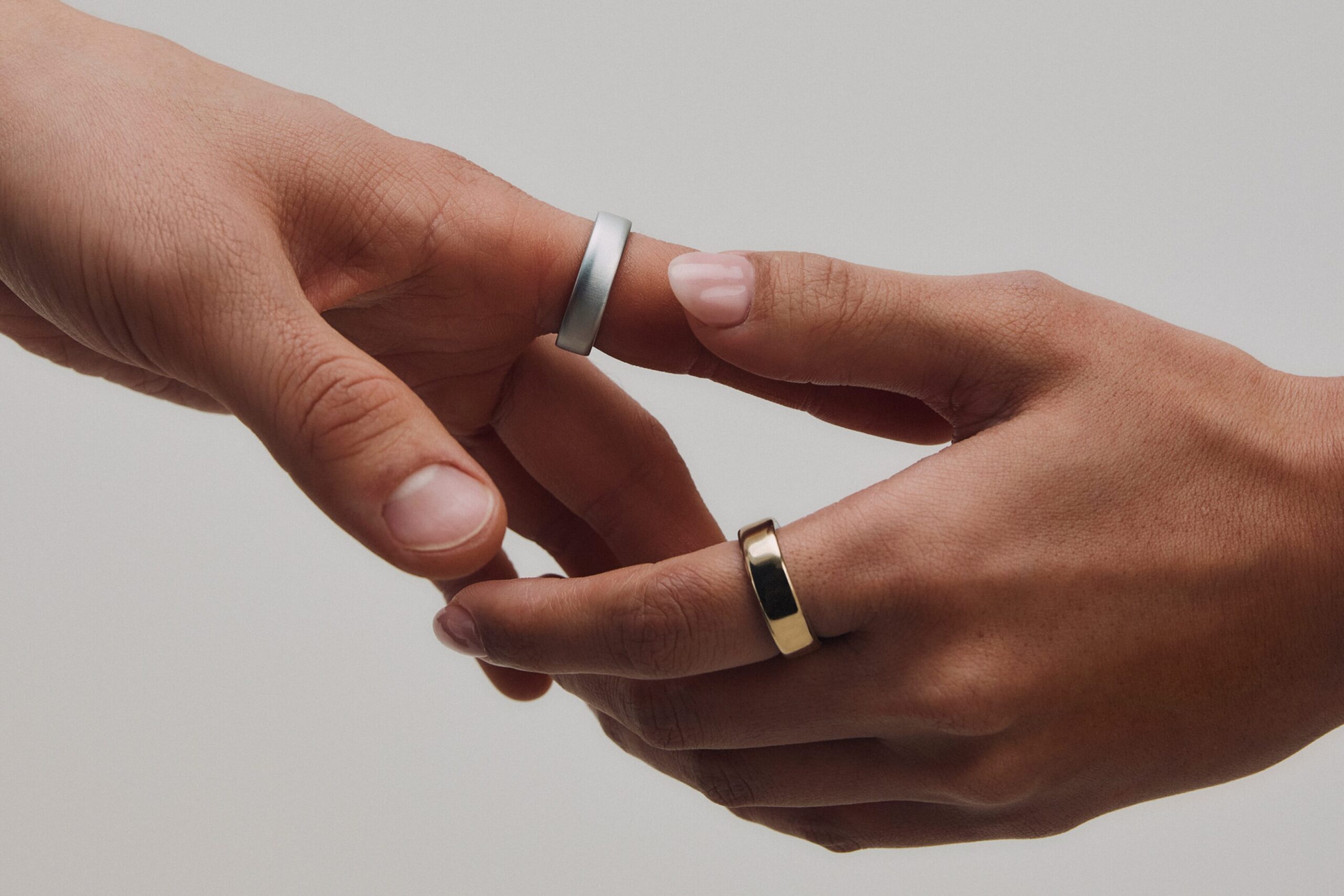
The company is headquartered across San Francisco and Finland, where the ring was originally developed, and employs more than 900 people.
It is worth noting what is not yet public about the Oura IPO. No prospectus has been filed, no banks have been named in reporting, and no pricing has been confirmed. A September listing is a target, not a date, and IPO timelines slip routinely.
The customer base is overwhelmingly female
Oura’s customers are now roughly 70% women and 30% men – a reversal of the 30/70 split of three years earlier, chief executive Tom Hale told The Drum in January 2026.
Cycle and temperature tracking, pregnancy insights and the shift away from step-count triumphalism towards sleep, recovery and stress made the ring legible to women who had no interest in a sports watch. The form factor helped too. As Hale put it: “So much of tech is utility. But what’s interesting about a wearable is that you put it on your body. It’s expression.”
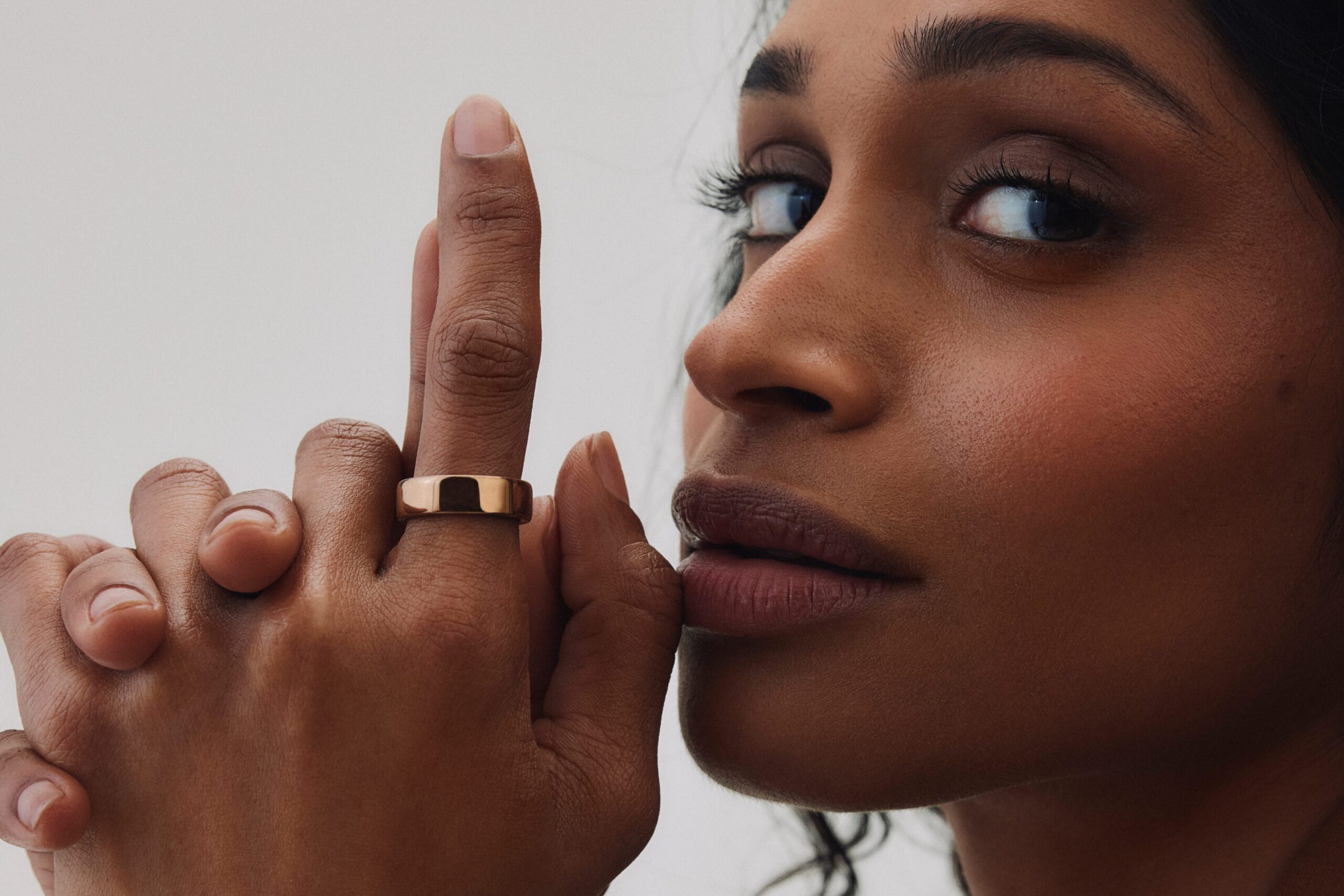
He was equally clear about the positioning, telling the same publication: “It’s not about living longer. It’s about living better.” That distinction – wellness rather than longevity-bro optimisation – is the reason the ring ended up on so many hands that would never have worn a fitness tracker.
The competition is arriving
Oura no longer has the finger to itself. Samsung launched the Galaxy Ring two years ago, bringing the format to a vastly larger distribution base. Whoop, which sells a screenless band on subscription, reached a $10 billion valuation in March 2026. Multiple smaller brands now sell rings at a fraction of Oura’s price, and the ring has become enough of an accessory that jewellery-style jackets and covers are a market in their own right.
What Oura has, that most rivals do not, is the subscription. The ring costs money up front and then costs money every month to actually read your data – a model that infuriates some buyers and delights investors, because it turns a one-off hardware sale into recurring revenue. Public markets will price that membership base at least as carefully as they price the hardware.
The accuracy question follows it to market
Not everything in the run-up is flattering. TechCrunch reported that a proposed class action was filed the week before the IPO news, accusing Oura of misleading consumers about the accuracy of its sleep tracking, on the argument that the technology cannot replicate clinical-grade measurement without clinical-grade equipment.

It is a point of tension for the whole category rather than one company. Consumer wearables are sold on the promise of insight and defended, when challenged, as wellness devices rather than medical ones. A public listing tends to sharpen that question, because a prospectus has to say plainly what a product does and does not claim to do.
Why we care
An Oura IPO at a $16 billion valuation, built on a customer base that is 70% women, is the clearest signal yet that women’s health data is not a niche vertical – it is the business. For years, femtech was pitched to investors as a worthy adjacent market. Oura’s numbers reframe it as the mainstream one.
Some of the products and services featured in this article may be from our affiliate partners, which means we may earn a small commission if you make a purchase through these links — at no extra cost to you. Our editorial team only spotlights what we genuinely love and think you will, too.