
There is a specific modern etiquette to placing your phone face down on a restaurant table. It says: I am here, I am present, I am choosing you over the group chat. It also says, that you are now going to miss the call from your mum, the message from the babysitter and the delivery driver who is outside, right now, holding your parcel. Google’s answer, unveiled on Tuesday in New York at an event hosted by Trevor Noah, is to make the phone glow.
The Pixel 11 line arrived in four sizes: the Pixel 11 (from £879), the Pixel 11 Pro (£1,079), the Pro XL (£1,279) and a lighter, thinner Pro Fold (£1,799), plus a new Pixel Watch 5 (from £369) and, arriving in November, a Pixel Tag tracker priced at $29 in the US (UK pricing to be confirmed). Phones and watch ship from 20 August, and every phone comes with seven years of software updates, a promise that reframes an £879 purchase as roughly the price of a coffee a week for the better part of a decade.
The light on the back
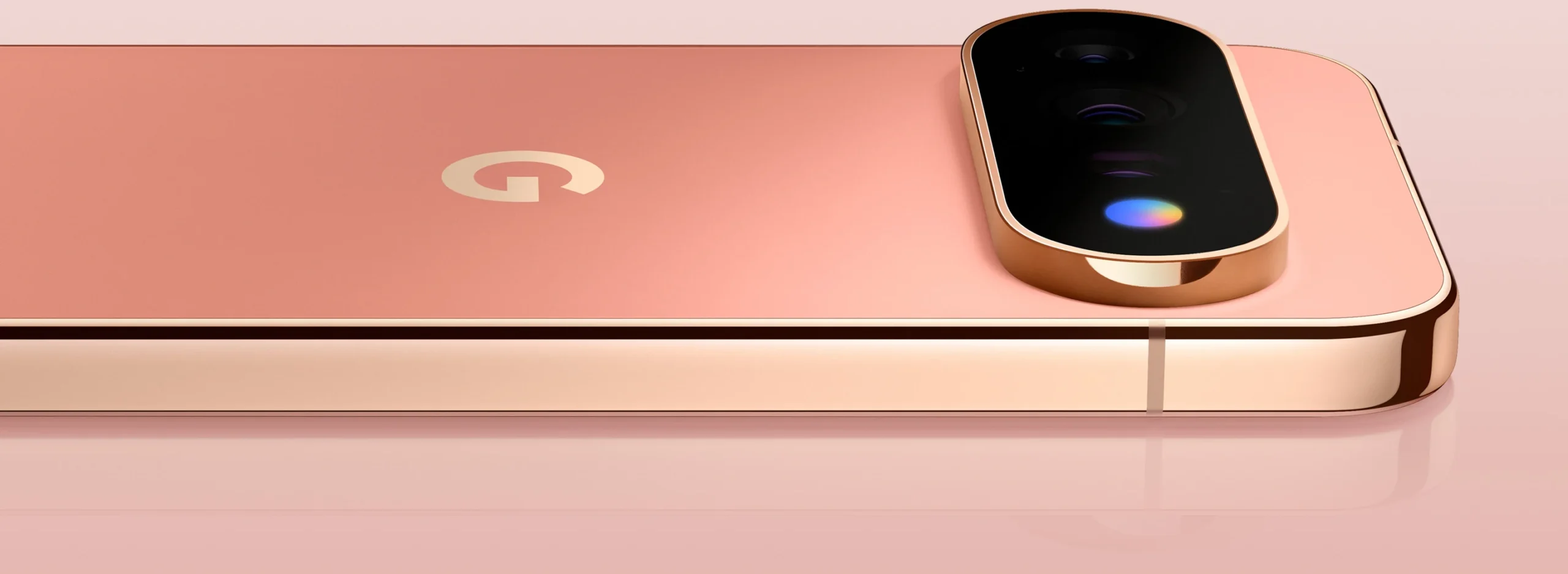
The feature people were talking about afterwards was HiLight: an RGB LED ring built into the Pro models’ flash that glows in colours you assign to specific contacts. Google’s own description, from Shakil Barkat, Vice President of Devices and Services, is that it “keeps you connected, even when your phone is face down.”
Translated: your mother can be lavender, your landlord can be red. It is a small idea, a throwback to the notification LEDs of a decade ago; technology designed to let you ignore your phone politely.
A camera with a point of view
The Pixel has been the phone that photographers respect for years, and the 11 leans in. The standard model gets a new 48-megapixel main sensor that Google says has 56 per cent better light sensitivity than before, and 30x zoom; the Pro models get a larger sensor still, a 48-megapixel telephoto and 120x zoom. Night Sight, the mode that made the Pixel famous for photos in dark bars, is now “up to 4.5x faster.”
Two software features will matter more to most of us than the sensor. Camera Looks is a set of presets applied at the moment you shoot, with names that read like a moodboard: Natural, Shadows, Vanilla, Digi, Black Tie, Minimal, Editorial, Classic and Velvet. Shenaz Zack, Senior Director of Product Management for Pixel, says the idea is to let you “choose the exact aesthetic you’re going for, right at the point of capture.”
Natural, Shadows and Vanilla are the defaults; the rest are the fun ones, and Google says each look is “fully customisable”, right down to the frame-merging and colour-lookup adjustments underneath. For anyone who has bought a preset pack, this is Google offering the aesthetic for free, in the camera, before the photo exists. (One caveat for the standard-model crowd: Instant Night Sight, the faster low-light mode, is a Pro and Pro XL feature.)
The other is Magic Capture, which Google’s Barkat calls “a tool that helps you capture blink-and-you’ll-miss-it moments on camera.” In practice, according to Google, it analyses roughly 400 frames around your press of the shutter using on-device intelligence and Gemini models, then hands you what Zack calls “perfectly-timed, high-quality 12-megapixel photos”, already cropped and un-blurred, with a short video to go with them. Or, as she puts it, it will “automatically snap those blink-and-you’ll-miss-it baby smiles, playful pets, or hard-to-get action shots.” It is a phone deciding when the moment was. Whether that delights or unnerves you probably says something about how you feel about the whole direction of travel.
For the influencers in the room
This is also the most creator-friendly Pixel yet. A new Creator Suite adds an on-screen teleprompter (so you can read your script while looking at the lens), project folders, social-media gridlines in the viewfinder, and Storyboard, a tool for trimming and rearranging clips before you post. You can set video as the default camera mode.
Circle to Search now works straight from the viewfinder, so you can point at a plant, a chair or a stranger’s handbag and ask what it is without leaving the camera. If you make things for Instagram or TikTok, that is a small studio’s worth of features hiding in the camera app.
Gemini, everywhere
The Tensor G6 chip is built to run Google’s Gemini AI on the device, with what Google claims is up to 3.5 times faster on-device processing using 3.5 times less energy than before. The result is a set of features that are less “chatbot” and more “very good assistant who has read your diary.” Gemini can now handle multi-step tasks across what Google says is “more than 40 apps and counting”.
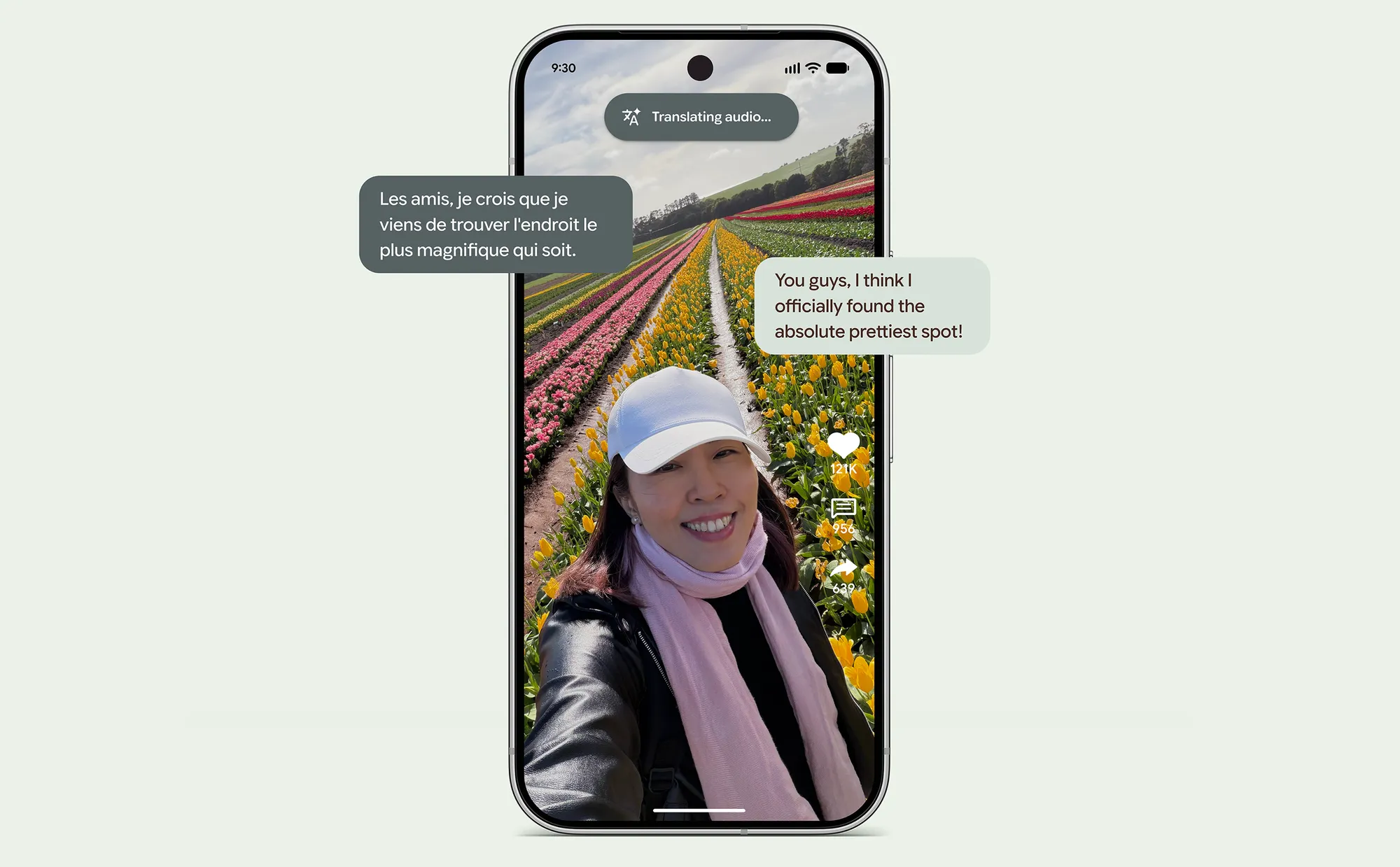
Gboard’s new Rambler, in Zack’s words, “transcribes your point cleanly and concisely 0 even when you use filler words, like ‘um’ and ‘ah'”; Barkat calls it “a voice transcription feature built for the way you naturally talk.” More strikingly, a new sign-to-text feature, built on Google DeepMind’s Sign Language-to-Text model, turns signing into written words on the phone, one of the more meaningful accessibility additions in a launch full of camera tricks. Live Translate now extends to podcasts and YouTube, “automatically dubbing media from around the world into your preferred language.” Proactive Assistance surfaces flight details, loyalty cards and reminders before you ask.
What it costs, and what it saves
The pricing conversation is easy to have badly. £879 is a lot for a phone; it is also, with seven years of updates, cheaper per year than most gym memberships and roughly in line with a mid-range laptop that will not last as long. Google’s bet is that longevity is the new spec, and, honestly, it is a bet the rest of the industry has been slow to make.
The Pro Fold, at £1,799, is a different proposition: 10 per cent lighter and thinner than last year’s, with a back cover Google claims is “nearly impossible to crack”, it is the phone for people who want a small tablet in a large pocket and have the budget for the privilege.
Some of the products and services featured in this article may be from our affiliate partners, which means we may earn a small commission if you make a purchase through these links — at no extra cost to you. Our editorial team only spotlights what we genuinely love and think you will, too.
Leave a Comment