
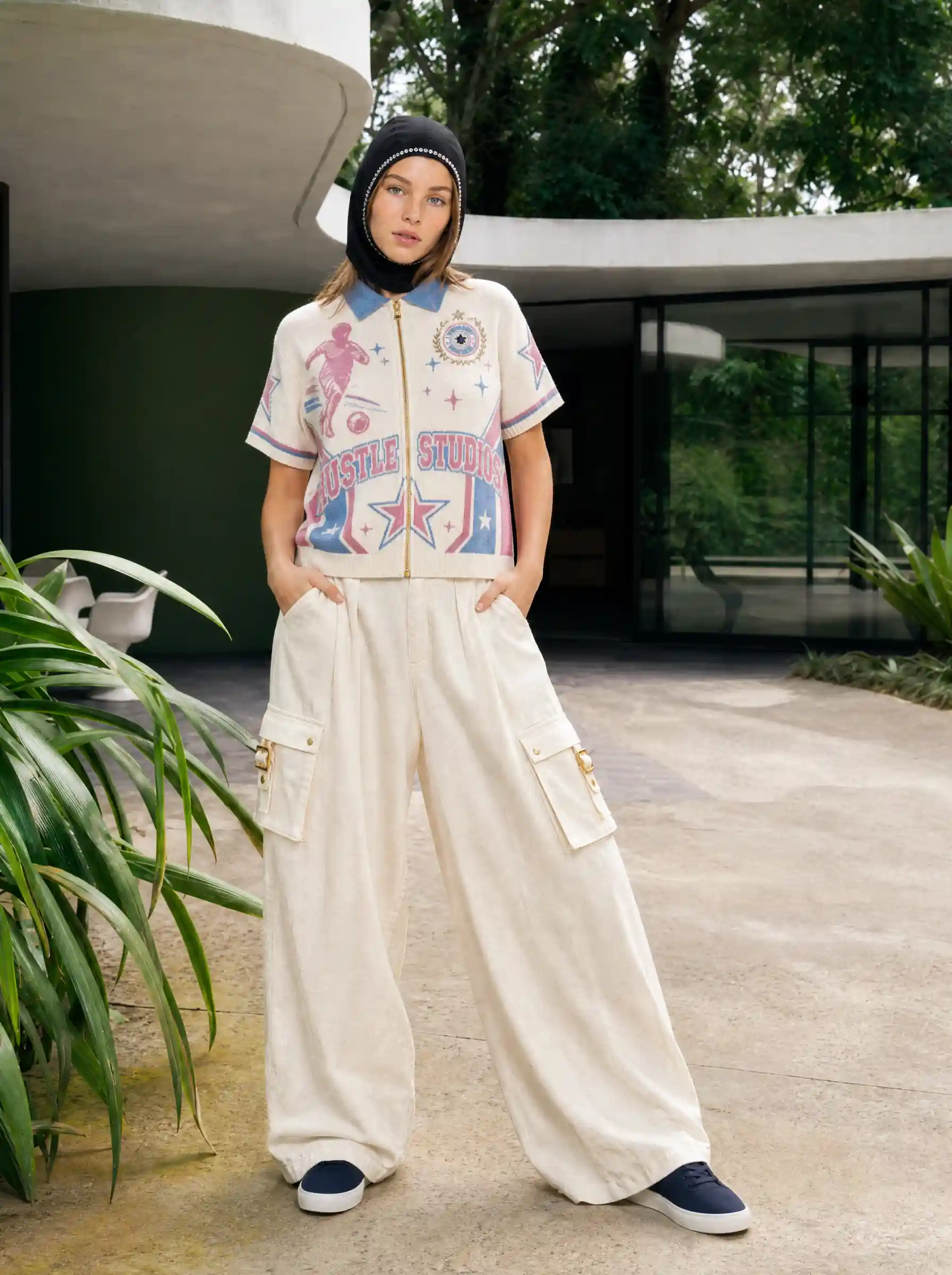
ImagineArt, the San Francisco generative-AI company, launched AI Fashion Studio on 13 August: in its own words, “a tool that generates catalog and editorial-quality fashion photography and video without a physical model, studio, or photographer.”
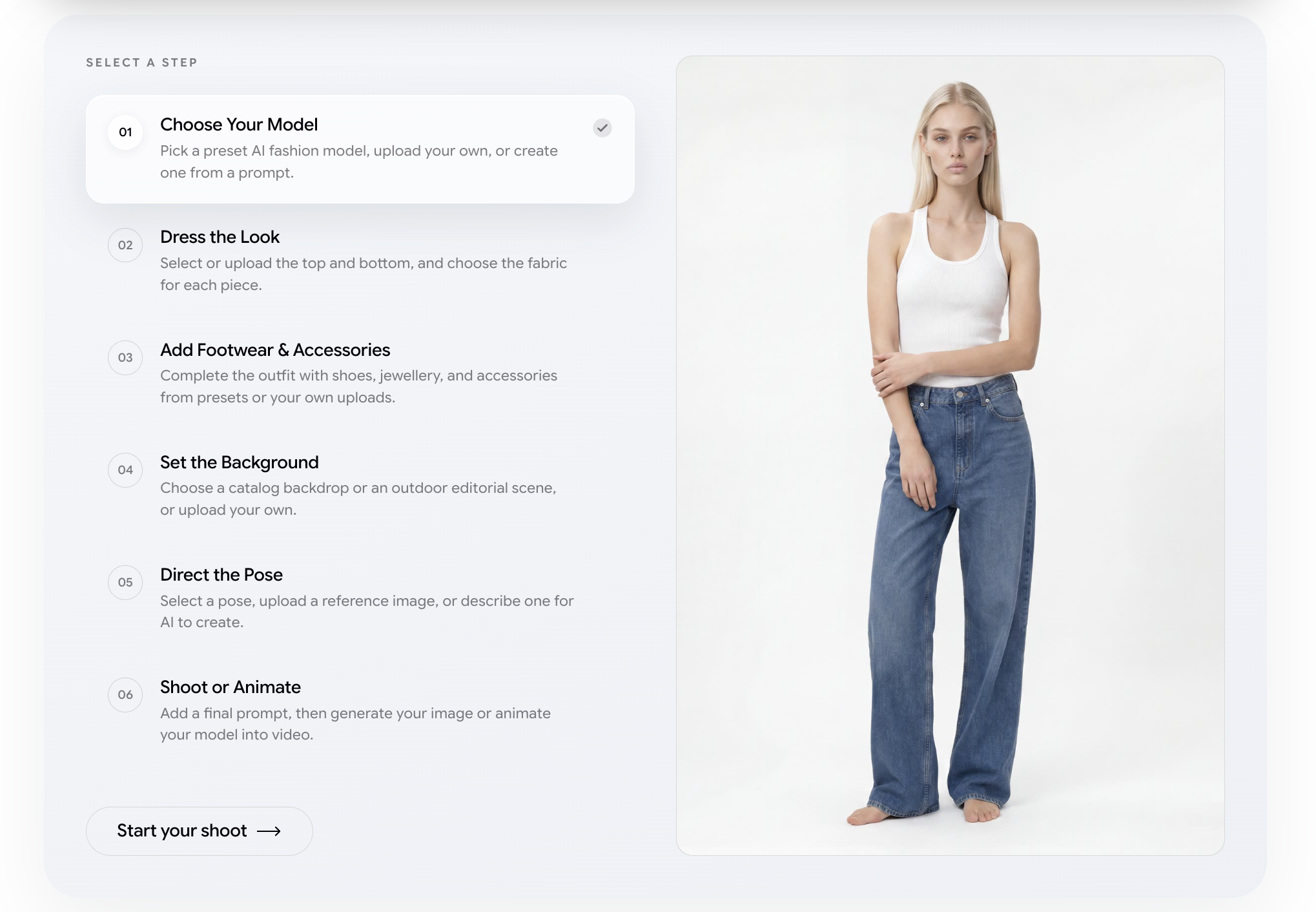
You choose an AI model, dress it in your garments, add shoes and accessories, set the background, direct the pose, and press a button that says shoot or animate. Out comes a lookbook, or a video, or a full campaign in square, vertical and widescreen, ready for whichever feed you are feeding.
What the tool actually does
The workflow is deliberately simple, and it is aimed squarely at the parts of fashion production that cost money and go wrong. The company describes the tool as something that “removes the reshoot and rebooking risk tied to human models”, which is a polite way of saying it removes the human models.
Its two headline technical claims are model consistency (the same face, body and skin tone across an entire product range, so your autumn/winter drop doesn’t feature nine different women who are all supposedly the same one) and a collaboration workspace, so a team can share the models and the projects.
Then there is the rights position, which is the sentence that will make brand lawyers sit up: “Everything generated in Fashion Studio belongs to the brand that made it, under full commercial rights, with no licensing fee tied to the model or the shoot.” No usage terms, no buyouts, no renegotiating when the campaign runs longer than expected. The image is yours, forever, everywhere.
Fashion Studio plugs into ImagineArt’s other tools: an Ad Studio for UGC-style, unboxing and virtual try-on formats built for Meta, TikTok and YouTube; a Film Studio for cinematic treatments with camera control; and an Audio Studio for voiceover and original music. The point is a closed loop: from garment photo to finished ad, with no one leaving the building.
Who this is really for
ImagineArt pitches four audiences: e-commerce brands wanting consistent product imagery, editorial teams building campaigns, social teams churning out ad variants, and, tellingly, small designers without studio budgets. That last group is the honest case for the technology. If you are a small business owner who, let’s just say, makes twelve dresses in a spare room, a proper campaign shoot has always been out of reach; a good model, a photographer, a studio and a retoucher can cost more than the collection.
A tool that gives you clean, consistent, professional-looking imagery for the price of a subscription is not a threat to that designer. It is a lifeline. “Fashion models come with busy calendars and reshoot risks. AI Fashion Studio eliminates that. AI fashion models stay identical across your entire range and every reshoot months later,” explains ImagineArt.
The bigger brands are a different story, and it is worth being clear-eyed about it. For a mass retailer shooting thousands of items a season, the appeal is not access; it is arithmetic. Every shoot not booked is a line item removed. That is where the technology stops being democratising and starts being disruptive to a great many people’s livelihoods.
The people who used to be in the picture
The fashion industry has been here before, recently. When H&M announced last year that it would create AI “digital twins” of its models, the reaction from the people who model, and the people who represent them, was swift. Sara Ziff, the former model who founded the Model Alliance, warned of “serious concerns about the use of digital replicas without meaningful protections in place,” and put the stakes starkly: “In an industry that has historically been a backwater for workers’ rights, H&M’s new initiative raises critical questions about consent and compensation, and has the potential to replace a host of fashion workers.”
H&M’s defence at the time was that models would own the rights to their digital twins and could, in the company’s words, “potentially work for any brand and get paid on each occasion just like on any campaign production.” Note the difference here: H&M was cloning real, consenting, paid people. ImagineArt’s model does not exist to consent. There is no one to pay. The rights are clean precisely because there is no person attached, which is exactly what makes it efficient, and exactly what makes it uncomfortable.
Models are only the visible tip. Photographers, stylists, hair and make-up artists, set builders, retouchers, studio managers, the assistant holding the reflector: fashion imagery has always been a small economy on every set. A “no photographer, no studio” pipeline is a whole economy declined.
What you will see, and how you’ll know
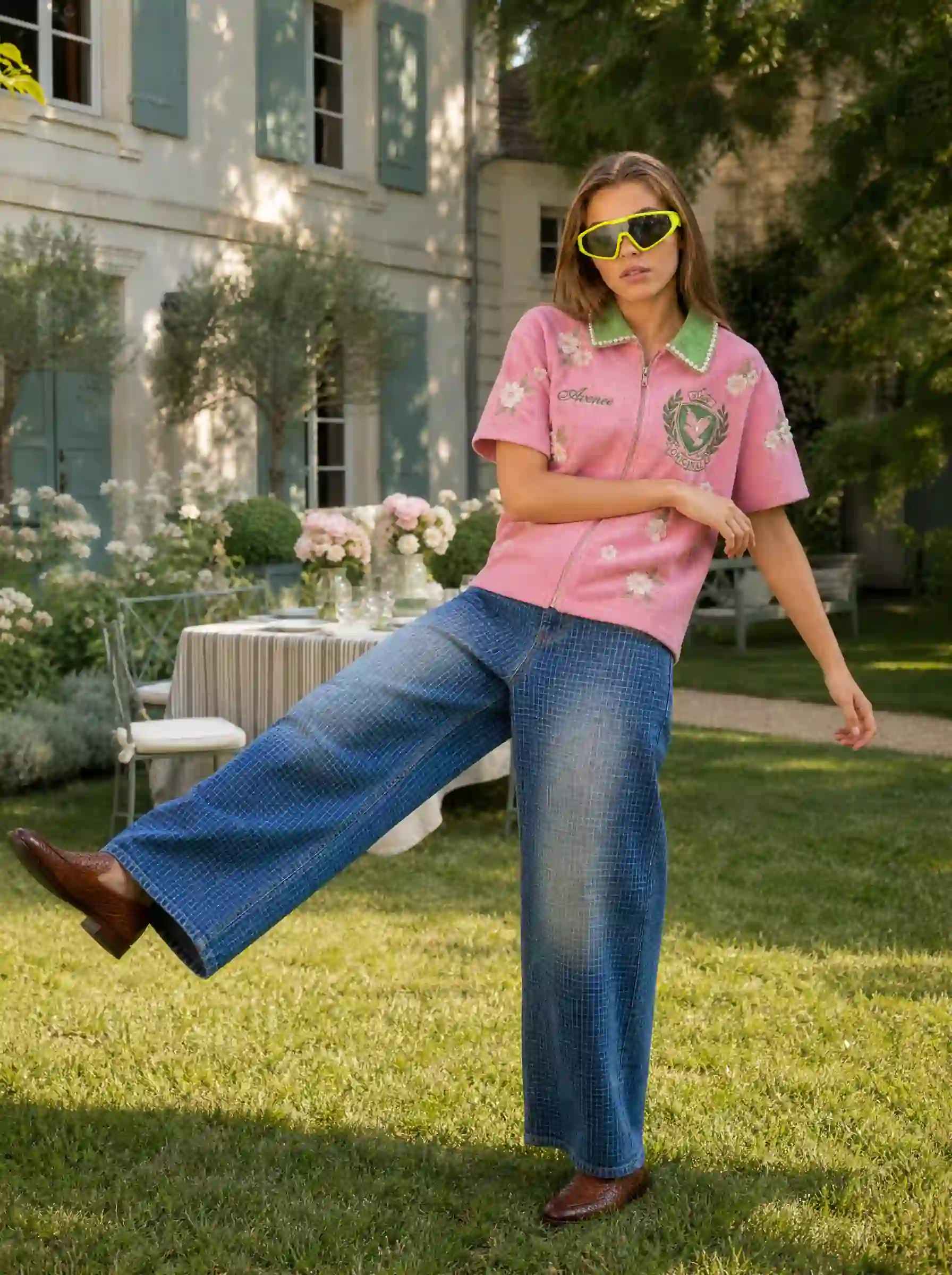
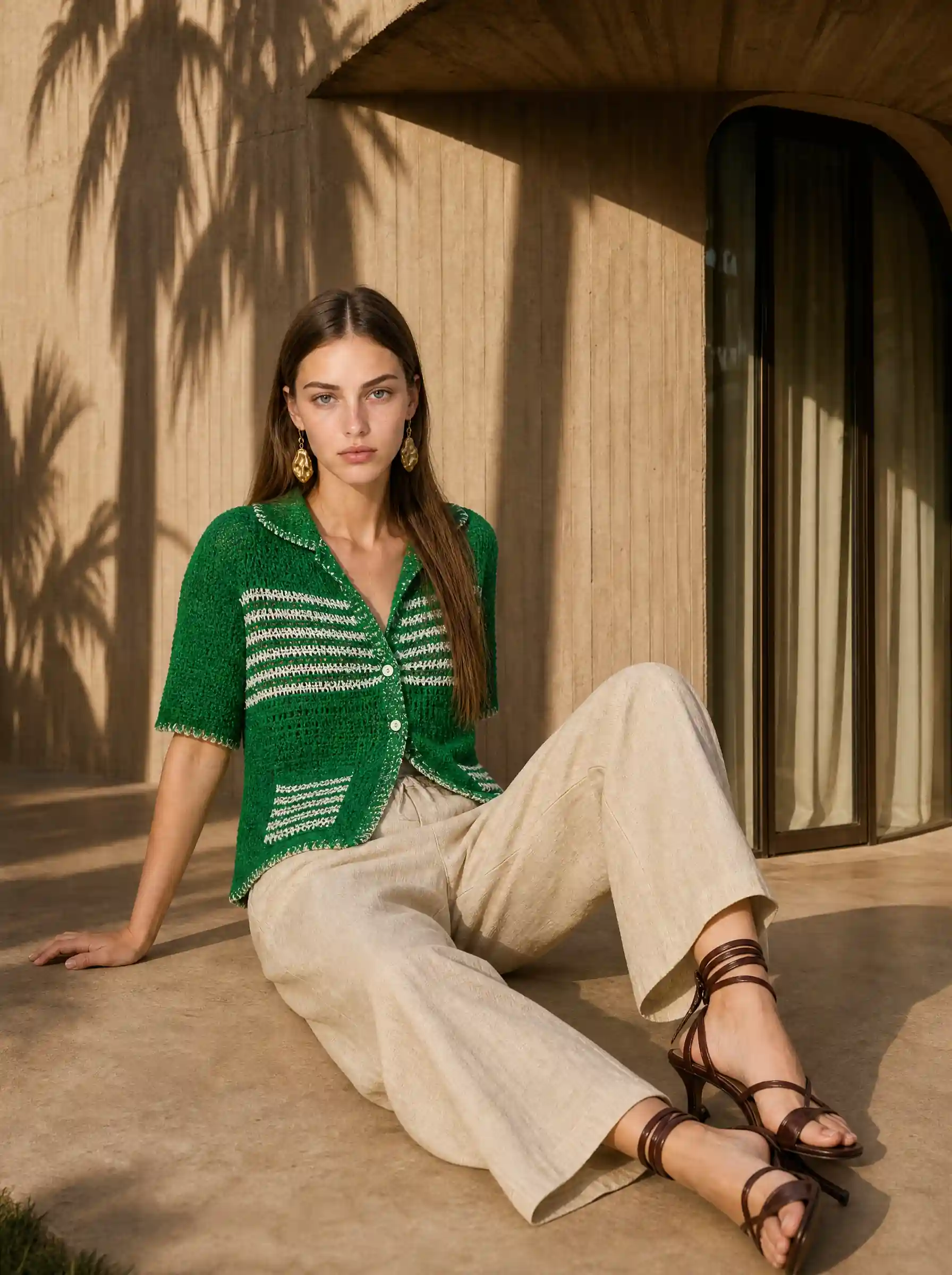
The honest answer to “will I be able to tell?” is: increasingly, no. AI imagery has moved past the six-fingered phase, and a lookbook is a forgiving format: still, controlled, front-lit, product-forward. Where the seams still show is texture and drape (fabric that moves like fabric is hard) and in the uncanny sameness of a “consistent” model across fifty images.
Some markets now require AI-generated ads to be labelled; many don’t. Whether brands disclose that the campaign girl was never a girl will, for now, be a choice, and it is worth watching who makes it.
The Modems take
We won’t pretend this is simple. The same tool is a gift to the tiny label that could never afford a shoot and a redundancy notice to the people who staff shoots. Both things are true at once. Our own position is that imagery made without people should say so, that “full commercial rights” is not the same as full ethical clearance, and that the brands worth your money will be the ones who tell you who, or what, is in the picture.
The woman in the campaign might not exist. The people she is replacing very much do.
Some of the products and services featured in this article may be from our affiliate partners, which means we may earn a small commission if you make a purchase through these links — at no extra cost to you. Our editorial team only spotlights what we genuinely love and think you will, too.
Leave a Comment