
The world of influencers is changing – and fast. In China, the age of clout-for-content is getting a professional upgrade. If you’re posting about finance, law, education or health on platforms, your selfies and viral reels won’t cut it any more. Welcome to the era where: no degree, no influence.
The National Radio and Television Administration (NRTA) alongside the Ministry of Culture and Tourism of the People’s Republic of China have made it clear: “online anchors engaging in such specialised content must obtain relevant practising qualifications, not merely rely on popularity,” as reported by the Daily Express.
And the plot thickens – not content with just that, the China Performance Industry Association (whose 2025 update fortifies the rulebook that began in 2022) has played the role of strict proctor. The rule defines “network anchor” (that is, influencer) as a recognisable occupation and frames set skill-levels and capacity requirements for those working in live-streaming and short-video spaces.
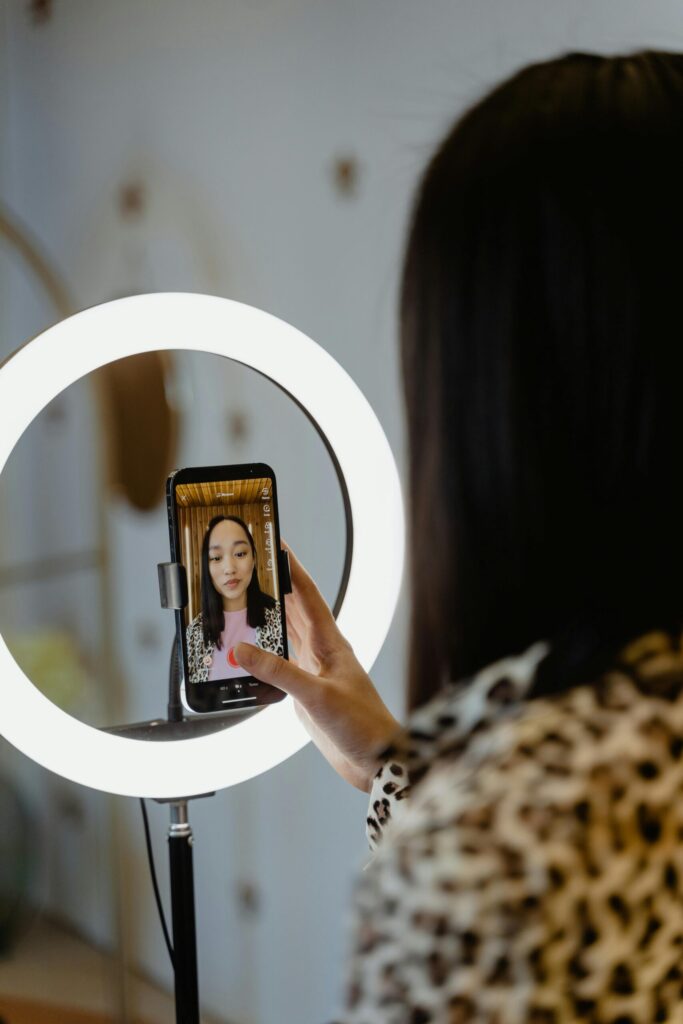
Lights, camera, credentials? In 2025, your degree might matter as much as your ring light.
In practice: Want to do a livestream giving health tips? Better have your certificate. Discussing law? Your litigation licence better be ready. Talking finance? That diploma won’t hurt.
The rule’s stated aims are solid: to protect audiences from misinformation, professionalise the influencer space and bring it in line with China’s broader digital governance framework. At face value, it’s an influencer industry getting its act together. But as ever, the devil is in the details.
Related article: Asia’s Social Media Trends Are Taking Over – Is the UK Ready?
Related article: The Modems Home – representing the expansive community that the tech world strives to serve
Here’s what the regulations look like in real terms: platforms such as Douyin (China’s version of TikTok), Weibo and Bilibili now must verify credentials of creators posting serious-topic content. “Apart from influencers, even platforms like Bilibili, Weibo and Douyin … will have to verify the credentials of the creators available on their platform and ensure that the content being shared mentions proper citations and disclaimers,” explained the Economic Times.
Additionally: creators must make clear when content is AI-generated or drawn from studies; hidden advertising for medical products, supplements or health foods is banned. This is tech-meets-regulation at scale, overlaying influencer culture with a compliance framework.
Related article: Why Micro-Creators Are the Future of Tech Blogging – The Modems
Related article: How AI Is Changing Social Media Experiences – The Modems
From a high-level perspective, this move signals that Beijing is no longer willing to treat its creator economy as Wild West territory. What began as a loosely regulated online domain – with millions of content makers, viral moments and monetisation opportunities – is morphing into something closer to a regulated profession.
Some immediate questions for our tech-savvy audience: Is this a blueprint for the global creator economy future? And what does it mean for influencer culture in Western markets?
Let’s unpack both.
Related article: TikTok Regulations: What Creators Should Know – The Modems
Related article: Digital Trust & Verification in 2025 – The Modems
First: The global precedent.
The Chinese model asks: if you’re giving advice on sensitive topics, why shouldn’t there be accountability? The tech platforms themselves become gatekeepers of credibility, which aligns with broader trends in digital trust and misinformation. For tech-centric creators, this is a reminder: in a world of AI-generated content, deepfakes and endless scrolls, viewers increasingly expect credentials, clarity and flagged sources. In short: popularity isn’t enough any more.
Second: The creative tension.
Of course, there’s a flip side. Critics argue that eligibility requirements could suppress independent voices and curb creative freedom. On Chinese social media platforms, one creator wrote: “Next thing you know, we’ll need a license to post opinions,” shared from a Beijing-based creator on Weibo. Others chimed in: “It’s about time people with real expertise led the conversation.” That comment, from a Weibo user, captures the divide: credibility versus censorship.
Third: What it means for non-Chinese creators.
For influencers in the UK, US or elsewhere (hello, Modems IT-girlies), it’s worth watching. We might not get licence checks tomorrow – but regulation of content is marching our way. Investment platforms, branded partnerships, sponsored content: all might demand more transparency, more expertise, more proof. The maestro of short-form video is no longer only “who has the biggest following”, but “who has the credentials and the context.”
Related article: Emerging Monetisation Models for Tech Creators – The Modems
Related article: The Ethics of AI Influencers – The Modems
So what are the take-aways for us?
- Creators should document. Whether you’re reviewing digital gadgets or giving lifestyle advice, you may want to think about how you substantiate claims, what expertise exists behind the camera, and how you present yourself professionally.
- Platforms are watching. Tech doesn’t stop at features – governance matters. For influencers, that means thinking beyond follower counts: consider how your content aligns with regulation, credibility and integrity.
- Audiences are evolving. For the tech-and-style savvy woman browsing her feed: you’re increasingly discerning. You don’t just want pretty imagery, you want informed perspective. You want transparency, traceability, baseline fact-checking.
- Global-tech culture may ripple back. China is moving fast – so fast that regulation there might set precedents for other major economies. Watch this space.
In short: the influencer world is not just about turning on a webcam and going live. It’s now about credentials, accountability and trust. For creators, this may mean less spontaneity – but on the flip side, a more respected role. For platforms and audiences alike, this spells an era where relevance is matched with responsibility. And for The Modems’ readership – our savvy millennial, female-founder, tech-obsessed tribe – it’s a reminder that in the digital age, influence is more than aesthetics: it’s expertise + ethics + engagement.
Because clout might get you a slot on live-stream. But credentials? They could get you the mic.
Some of the products and services featured in this article may be from our affiliate partners, which means we may earn a small commission if you make a purchase through these links — at no extra cost to you. Our editorial team only spotlights what we genuinely love and think you will, too.
3 responses to “No Degree, No Influence: China Sets New Social Media Rules”
-
… [Trackback]
[…] Read More on to that Topic: themodems.com/tech/no-degree-no-influence-china-sets-new-social-media-rules/ […]
-
… [Trackback]
[…] Read More on that Topic: themodems.com/tech/no-degree-no-influence-china-sets-new-social-media-rules/ […]
-
… [Trackback]
[…] Read More on to that Topic: themodems.com/tech/no-degree-no-influence-china-sets-new-social-media-rules/ […]
Leave a Comment