
Every millennial woman has spent three decades waiting for Cher Horowitz’s rotating virtual wardrobe to become real. It did – and now it has 10 million users, backing from eBay and Google, and data suggesting it’s actually changing how we shop. The most interesting fashion-tech story of the year isn’t about buying more. It’s about finally wearing what we own.
Some films gave us fashion moments. Clueless gave us a product roadmap. Thirty-one years after Cher Horowitz clicked through her computerised closet while the rest of us stared longingly at our heaped desk chairs, the app that finally built it is having a very good week.
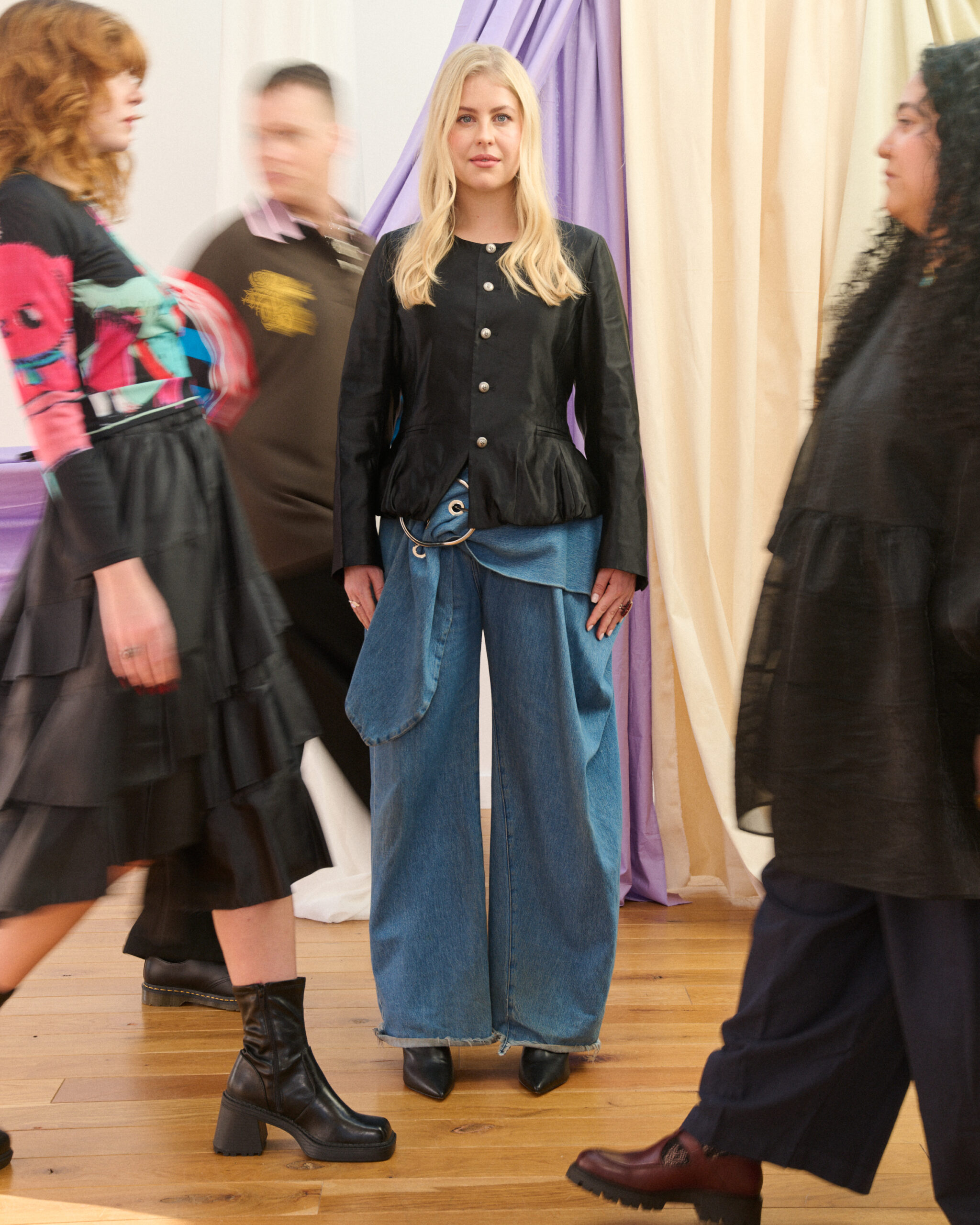
Founder, Bianca Rangecroft
Whering – the digital wardrobe app that describes itself as “the first to reinvent Clueless’ virtual wonder” – has announced it’s surpassed 10 million users globally and secured $7 million in seed funding led by eBay Ventures and Google AI Futures Fund. Not bad for a fifth birthday.
What Whering Actually Does
For the uninitiated: Whering lets you digitise your entire wardrobe – photograph your clothes, upload them, and suddenly you have a searchable, shuffleable, Cher-style overview of everything you own. From there, the app suggests outfits, helps you pack for trips, lets you build moodboards and wishlists, and – in its most chaotic-good feature – lets you shuffle your wardrobe into combinations you’d never have tried. Launched in 2021, it has amassed a majority Gen Z user base who, per the company, use it “to get dressed, pack for travel, and style each other”.
The quietly radical part is the philosophy underneath. In an industry built on convincing you that the answer is always one more purchase, Whering’s entire premise is that the answer is probably already hanging in your wardrobe, unworn, with the tags still on. The company frames it as “a clear cultural shift away from fashion’s ‘buy more’ model” towards “more intentional, data-led wardrobe decisions”.

And its own numbers suggest the shift is real: 84% of users say they now wear their clothes more often, nearly 70% report reducing fast fashion purchases since adopting the app, and over a third have saved between £100 and £300 annually. (The impartial footnote: these figures come from Whering’s own user data rather than independent research – though as self-reported behaviour change goes, they’re a striking set.)
Follow The Money
The investor list tells its own story. eBay – the original resale platform – sees Whering as infrastructure for keeping clothes in circulation. “At eBay we not only power recommerce, we empower the infrastructure that keeps fashion in rotation longer,” said Alexis Hoopes, eBay’s Vice President and Global Head of Fashion. “The fashion industry’s buy, use, dispose model has been long overdue disruption, and with over 10 million users and digitised wardrobes, Whering is well positioned to be the catalyst.”
Google’s interest is the AI. Through the Google AI Futures Fund, Whering will build smarter styling – suggestions that adapt to mood, weather or occasion – plus a series of new features: Enhanced, which polishes every uploaded photo to “retailer-quality standard”; Gallery Scanning, which extracts individual items directly from outfit photos in your camera roll (goodbye, the tedium of photographing 200 garments); and Virtual Try-On, to visualise how pieces work on your body.
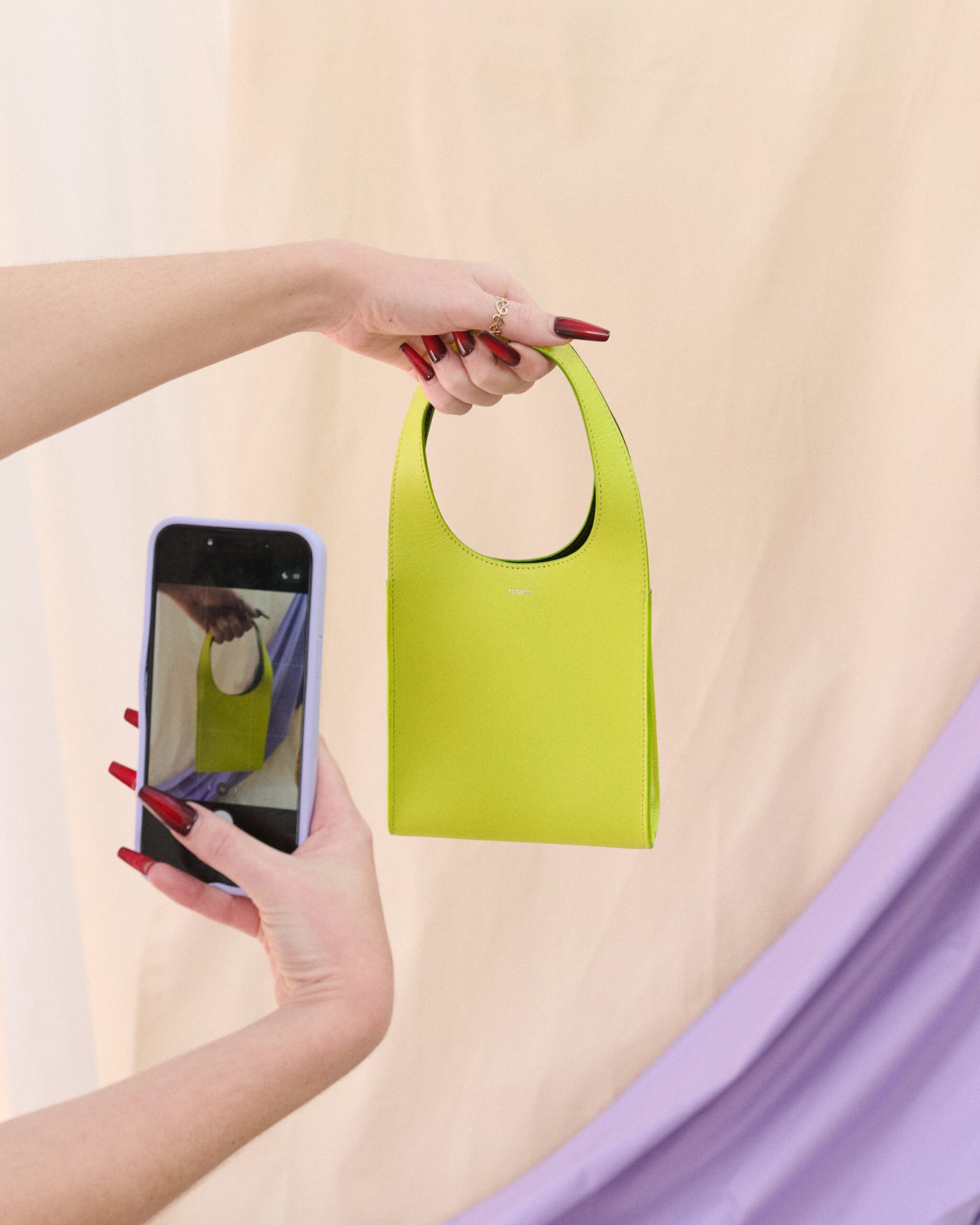
“Whering’s vision for a digital, AI-powered wardrobe that prioritises both personal style and the planet deeply resonates with us,” said David Benjamin of Google AI Futures Fund.
The Woman Behind The Wardrobe
Founder and CEO Bianca Rangecroft has one of those CVs that makes you quietly reassess your five-year plan: a first in History from SOAS, a Masters from Imperial, fluency in six languages, and a banking career at Barclays and Goldman Sachs before she left to fix fashion’s most universal problem. She’s since collected Drapers 30 Under 30 recognition, a Dragon’s Den appearance, and over $13.9 million in total funding.
“I launched Whering to help answer the question billions of people ask themselves daily: What should I wear today?” Rangecroft said. “We have access to such a vast amount of data that hasn’t existed before – not just what people buy, but what people actually wear, what they wear it with and how it makes them feel.”
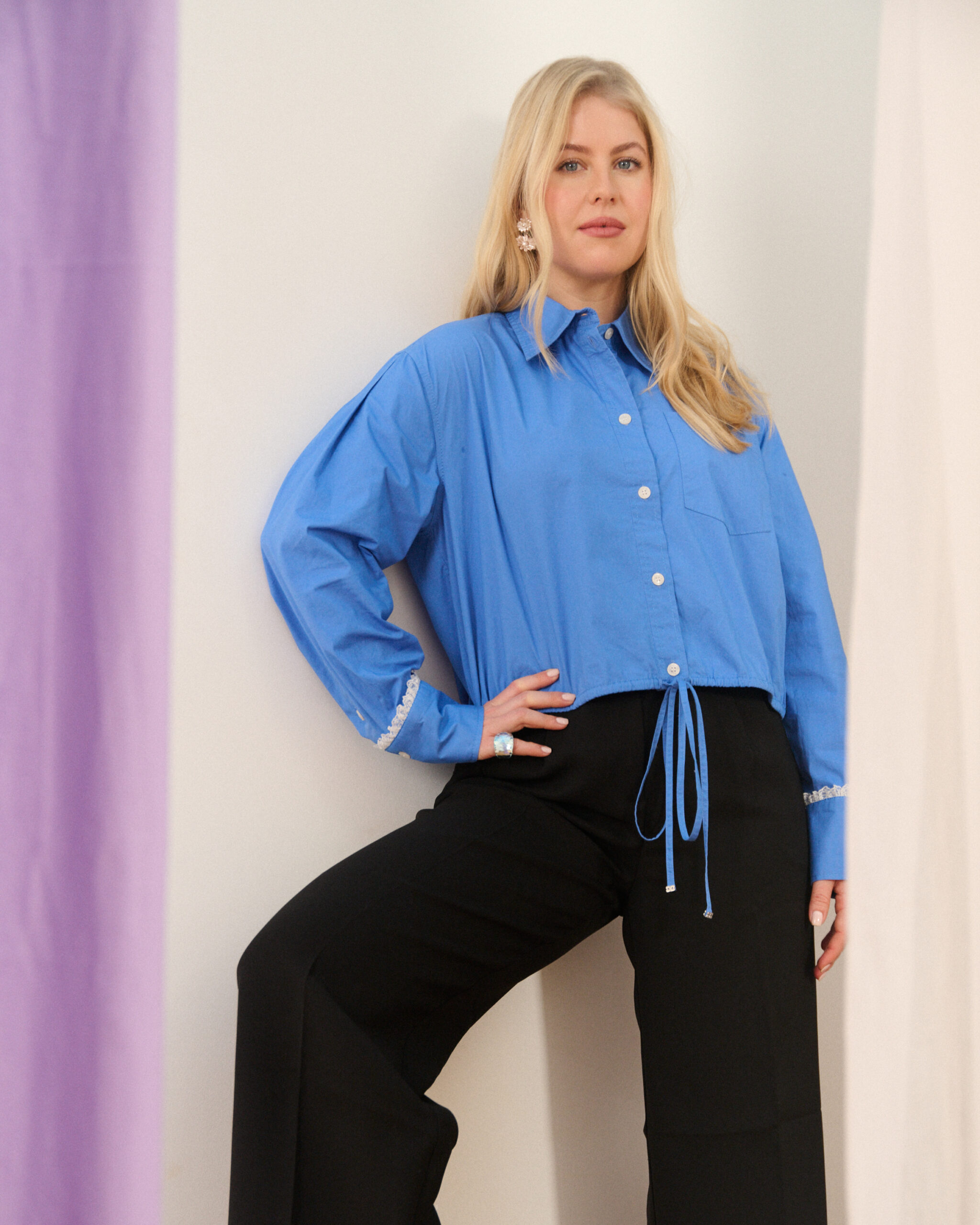
That data is the real prize – and the part worth watching with clear eyes. Whering describes itself as building “the intelligence layer behind every fashion decision”, offering retailers “access to wardrobe data they’ve never seen before”. For users, that promises genuinely personalised styling and smarter resale; it also means your wardrobe habits become commercially valuable insight, which is the trade at the heart of most good free-to-use tech. Worth knowing, not necessarily worth fearing – but the fine print is always worth a skim.
What’s Next
The roadmap points firmly at circularity: deeper resale integrations connecting how people “wear, rewear and resell” within one ecosystem, alongside brand collaborations and community events. The ambition, in the company’s words, is to make intentional fashion “the default, not the exception”.
Whether Whering becomes the definitive operating system for our wardrobes remains to be seen – but 10 million users, two heavyweight backers and a stat sheet full of people shopping less is a compelling opening argument. Cher would approve. Her closet, after all, was never about having more clothes – it was about actually seeing the ones she had.
Some of the products and services featured in this article may be from our affiliate partners, which means we may earn a small commission if you make a purchase through these links — at no extra cost to you. Our editorial team only spotlights what we genuinely love and think you will, too.
Leave a Comment