Get ready, London – your next Uber ride might not come with a driver, or even a steering wheel in use. Uber is fast-tracking its plans to launch fully driverless taxis in the UK, with a trial set to hit the capital’s streets as soon as spring 2026.
That’s right: no human driver, no backup at the wheel – just AI and some seriously advanced sensors doing all the work.
Uber will be partnering with Wayve, a UK-based AI company already testing autonomous vehicles in London (currently with human safety drivers in line with UK law). But this new pilot will push the envelope further – testing cars that operate entirely on their own, with no human intervention.
This shift follows the UK government’s announcement of an accelerated framework to allow small-scale autonomous bus and taxi-like services to launch sooner than planned. The original timeline aimed for 2026, then shifted to late 2027 – but now, the green light is coming much earlier, giving companies like Uber a chance to move full speed ahead.
It’s not yet clear whether everyday users will be able to summon a robotaxi through the app during this trial period. “We’re still working out the details,” Uber said, but the long-term goal is to offer driverless rides as a standard option on the app once legislation fully supports it.
The potential impact? Huge. According to the Department for Transport, the UK’s autonomous vehicle industry could add £42 billion to the economy and create 38,000 new jobs by 2035. But not everyone is revving their engines. GMB union secretary Andy Prendergast warned of the “significant social implications,” including potential job losses, if automation isn’t handledhttps://themodems.com/tech/lucid-motors-the-new-and-only-tesla-competitor/BB thoughtfully.
Uber has already rolled out robotaxis in Austin, Texas, where users can opt for a driverless ride at no extra cost. Those vehicles clock in around 20 hours of operation a day, seven days a week. Meanwhile, Tesla is gearing up to launch its own competing service in the same city.
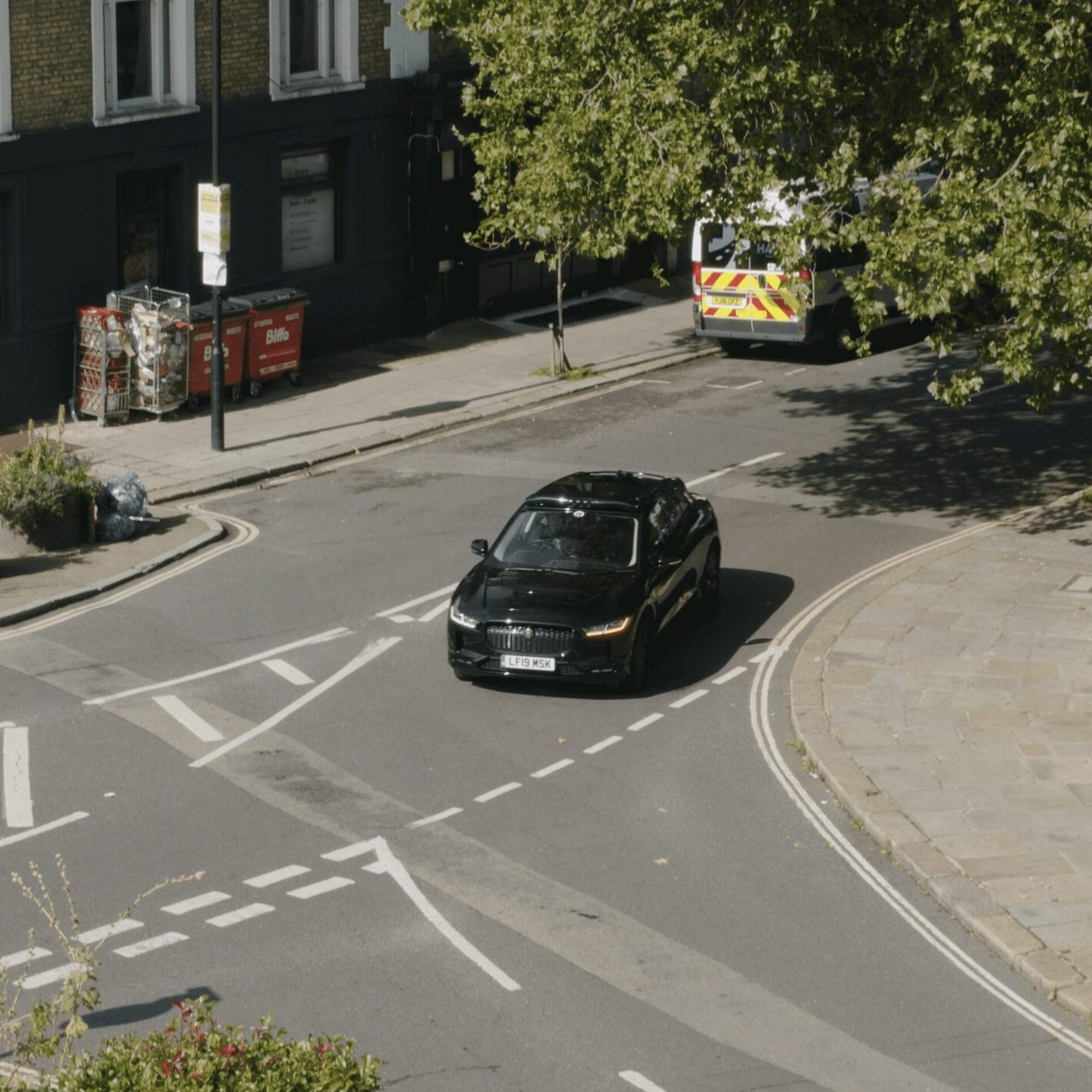
Image courtesy of Wayve
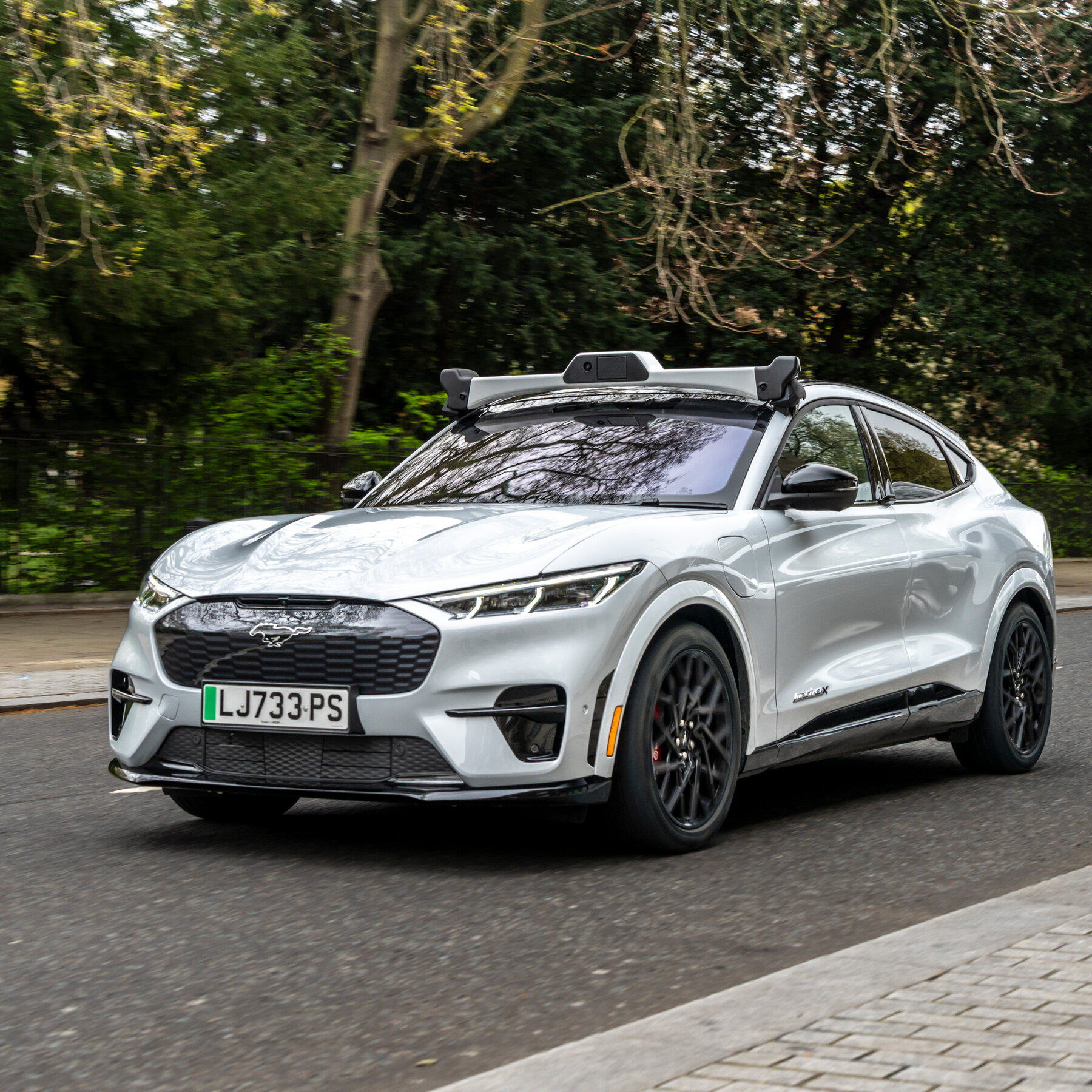
In London, Wayve’s AI-powered vehicles have already shown promising results. One BBC journalist rode in a Ford Mach-E fully equipped with Wayve’s autonomous tech – no human intervention was needed during a 30-minute journey through central London traffic. “If anything, it was a lot more cautious than a human driver,” the report noted.
Whether Londoners are ready to trust a robot behind the wheel is another question. But one thing’s clear: the future of hailing a cab might just be hands-free.

Leave a Comment